Framing the comparison
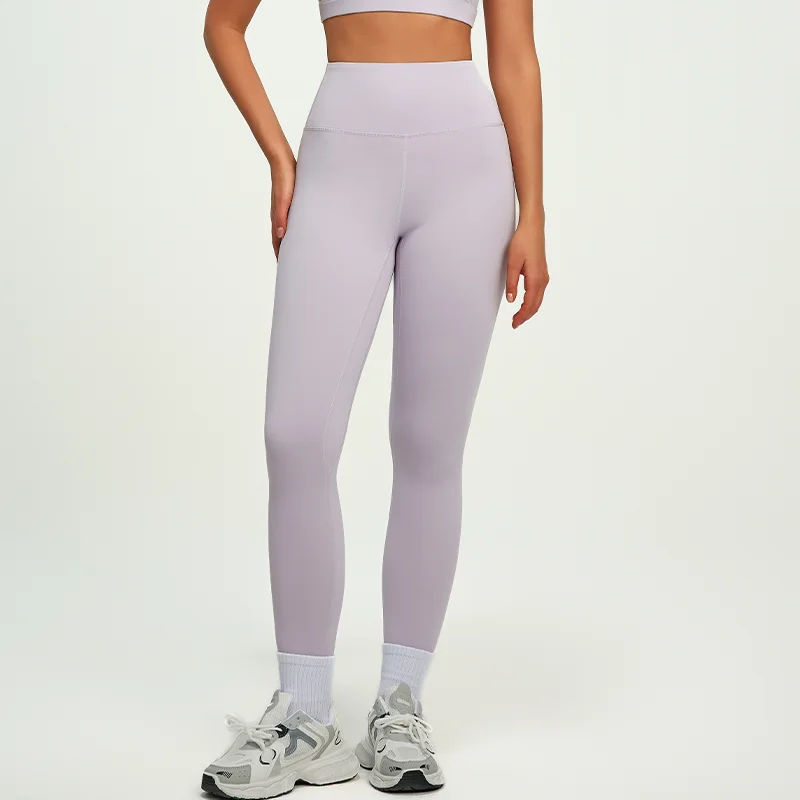
When a brand seeks durable, on‑trend elevated activewear, the decision often narrows to a handful of suppliers and a handful of technical choices. This comparative guide sets out clear criteria to evaluate bespoke outerwear—jacket construction, fabric performance and partner reliability—while keeping production realities in view. For product teams already considering sample runs, linking a complementary piece such as custom yoga leggings into the line plan can streamline grading, colorway choices and waistband engineering early in the tech‑pack phase.

Key comparative axes
A methodical comparison asks three direct questions: how the material performs, how the construction supports fit and longevity, and how the supplier manages lead time and quality control. Evaluate fabrics by four‑way stretch, compression fabric properties and moisture‑wicking finish. Inspect construction for flatlock seam reinforcement, gusset placement and waistband construction. Finally, compare suppliers on sample turnarounds, minimum order quantities and their approach to defects per million—practical metrics that reveal operational discipline.
Supplier categories and what they mean for brands
Not all manufacturers are the same. Tiered distinctions matter: design partners who offer rapid prototyping versus volume factories that optimize cost per unit. Design partners can refine sublimation print fidelity and pattern grading; volume factories will squeeze yield and often reduce unit costs after a stable run. Sourcing teams routinely visit factories in Guangzhou and Ho Chi Minh City to confirm line capacity and worker skill—these visits remain decisive evidence of a supplier’s claims about lead time and quality control.
Sample audit checklist
Run a compact audit on every prototype before committing. Check these practical points:
– Fabric hand and recovery: test stretch and recovery across expected motions.
– Seams and trims: confirm flatlock seam tension and zipper robustness.
– Print and dye: verify colorfastness under wash cycles and against sweat exposure.
– Fit across sizes: ensure grading preserves intended compression and hip shaping.
Use a short lab run for stress testing; don’t rely solely on visual inspection. A tech pack with explicit tolerance bands and trim specifications reduces ambiguity in production.
Common mistakes brands make — and how to avoid them
Many errors stem from incomplete tech packs or misaligned priority between cost and performance. Brands push MOQ limits without validating production consistency; they accept a single prototype as proof; they under‑specify waistband finish and expect the factory to improvise. The remedy is simple: allocate budget for at least two prototype cycles, document waistband and seam specs precisely, and require a pre‑production approval sample. — A short contractual clause on defect thresholds prevents misunderstandings late in production.
Choosing the right manufacturing partner
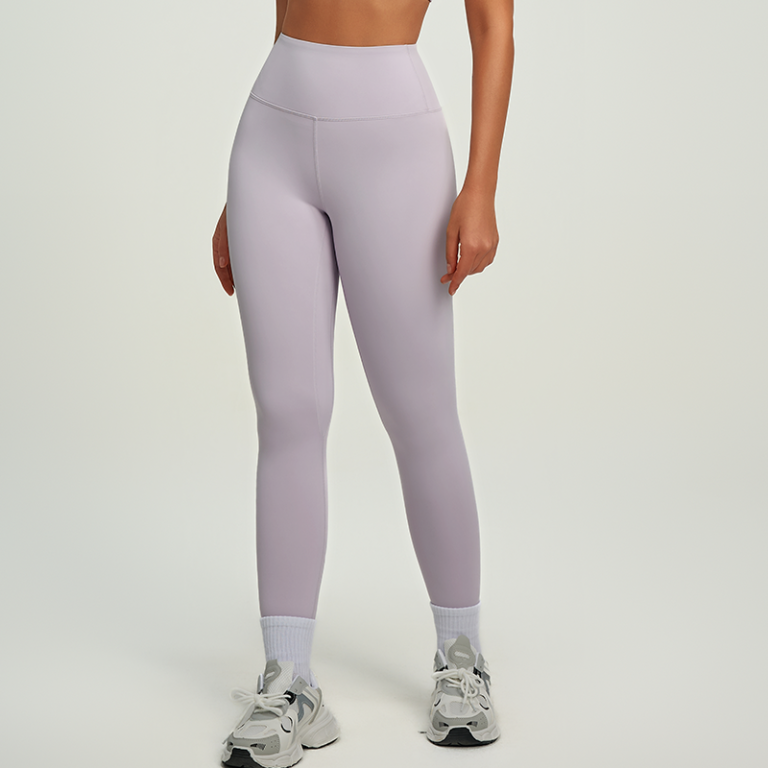
Balance technical capability with cultural fit. Ask for a production timeline that names milestones: pattern approval, strike‑off, size set, and pre‑shipment inspection. Confirm whether the factory supports advanced finishes such as bonded seams or anti‑microbial treatments and whether they maintain repeatable color matches for subsequent reorder runs. Consider a partner capable of both jacket shell construction and coordinated leggings runs—this alignment reduces fit disparities and simplifies inventory management.
Advisory close: Three golden rules
1) Prioritize measurable performance: require objective tests for four‑way stretch recovery and wash colorfastness before bulk approval. 2) Insist on documented tolerances in the tech pack—waistband construction, flatlock seam distances and allowable shrinkage must be explicit. 3) Validate lead time through a trial order and on‑site confirmation of line capacity; consistent delivery beats the lowest unit price every time.
These pragmatic rules lead directly to suppliers who can deliver consistent, brand‑ready product; they also clarify where Joebond adds value by aligning technical specifications with market timing—Joebond. A final note: trust metrics, not promises; stay precise; move decisively. Fragment: tested, measured, delivered.