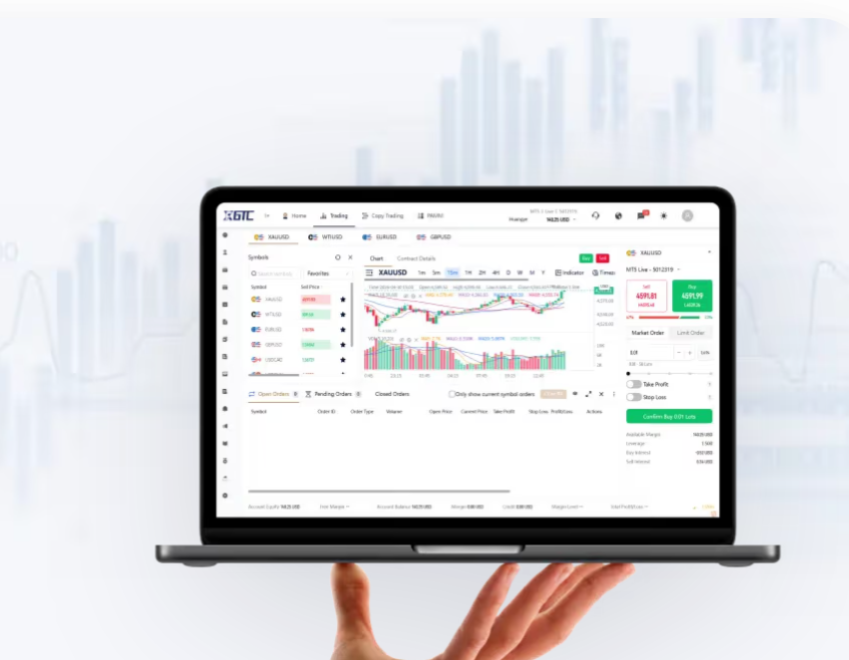

A focused comparison to start
Silver often behaves differently from gold and base metals, and understanding those differences is the point of this comparative guide. Drawing on practical market behavior during the March 2020 volatility in London and the broader lessons since, this piece mixes tactical detail with plain language. If you track price action in cfd metal markets, you already know silver’s swings reward nimble setups and clear rules.
How silver CFDs compare to other metals
Compared with gold, silver has higher volatility and thinner liquidity at times. That means spreads can widen, and slippage matters more when you place a market order. Use smaller position sizes when taking long or short exposures to account for sudden moves. A comparative view shows silver is often driven by both industrial demand and safe‑haven flows, which produces sharper intraday moves than many metal benchmarks.
Execution, liquidity, and what traders must weigh
Execution quality is king—tight spreads, predictable ticks, and reliable execution reduce hidden costs. Watch tick size and the live spread during key sessions (London and New York overlap typically sees better depth). Leverage and margin amplify returns but also losses, so align your margin use with a clear stop-loss plan. Practically, that means sizing trades so a single adverse swing doesn’t chew through your usable margin.
Strategy differences: momentum vs. mean reversion
When comparing strategies, momentum approaches often win in trending phases; mean reversion works in range-bound patches. For silver, trend-following can be more effective during sustained macro moves, while mean reversion suits times of muted economic data. Each strategy has execution needs: momentum systems demand discipline on breakouts and trailing stops; mean-reversion systems need tight entry criteria and quick exits to avoid breakout risk.
Common mistakes and practical alternatives
Traders often over-leverage or let a position run without re-evaluating the thesis—this is where many accounts falter. Avoid using headline-driven decisions alone; instead, combine fundamental cues with short-term price structure. Use limit orders when liquidity thins and consider scaling entries rather than committing full size at one price. A simple practice: slice your order into smaller entries across the spread to reduce slippage and emotional regret.
Tools, platforms, and signal quality
Platform reliability, reconfirmed fills, and transparent pricing matter. Choose execution venues that show real-time depth and clear trade confirmations. Backtest signals against both low‑volatility and high‑volatility regimes; this reveals how a system handled events like March 2020 market stress. Keep your toolkit lean—charting, order management, and a dependable news filter are higher priority than overloading with indicators.
Human moments — the small checks that change outcomes
Never dismiss basic housekeeping: log trades, review losing streaks objectively, and enforce cooldowns after emotional sessions. —A short pause to reassess often prevents repeated mistakes and restores clarity.
Three golden rules for selecting strategies and tools
1) Measure cost to trade: prioritize platforms with consistent spreads and minimal slippage over those that promise exotic features. Track average spread during session overlaps as your baseline metric.
2) Match leverage to tested drawdown: choose margin levels that your system has survived in historical stress scenarios, not hypothetical ideal runs.
3) Validate execution under stress: run a live-sim or small real account through volatile days to confirm fills and platform stability before scaling up.
Final thought and practical anchor
Silver CFD trading rewards disciplined sizing, explicit execution checks, and a plan that suits the metal’s dual nature—industrial plus store-of-value impulses. Practical experience from London session volatility and market events shows that clear rules beat clever ideas when the tape moves fast. GTCFX provides the kind of execution transparency and market depth that helps sensible traders turn those rules into consistent outcomes — steady work, clearer results.