
Comparative framing: why side-by-side analysis matters
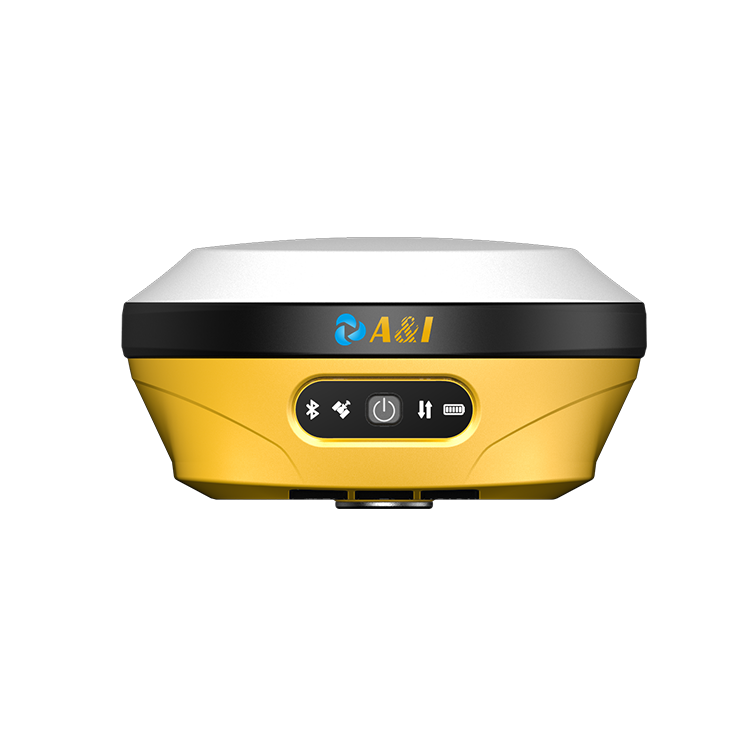
This piece compares two practical investments: geofencing plus fleet tracking, and precision automatic weeding robots. The reader should judge cost, uptime, and measurable return rather than accept vendor claims. For practical placement advice, see positioning solutions which often determine whether a technology yields quick payback or only incremental benefits. Comparative analysis helps teams allocate capital where telemetry and machine vision deliver repeatable value.

Field evidence and a real-world anchor
Manufacturers and operators already show what works. A notable example is John Deere’s 2017 acquisition of Blue River Technology — a publicized move showing machine vision and targeted actuation can reduce chemical use while keeping yield. That event anchors the argument: precision robotics can shift operating cost profiles as decisively as improved fleet tracking. In many cases geofencing plus RTK GPS gives immediate route discipline for vehicles, while autonomous weeding robots deliver labor and input savings over planting cycles.

Core technical trade-offs
Choose geofencing and fleet tracking when route enforcement, theft deterrence, and simple compliance are top priorities. These systems rely on GPS fixes, telemetry, and fleet management dashboards. Choose autonomous weeding robots when site repeatability and crop-specific interventions matter; they bring machine vision, onboard compute, and closed-loop actuation. Both approaches require robust data flows and edge control — the latter term common in discussions of autonomous control systems. The comparison is concrete: one improves operational predictability fast; the other reduces variable costs across seasons.
Integration realities and common mistakes
Teams often treat these investments as plug-and-play. That is a mistake. Common errors include: selecting devices without verifying cellular or LoRa coverage, under-specifying power and charging for robots, and ignoring placement of geofences relative to actual vehicle paths. Integration should plan for firmware updates, telemetry retention policies, and operator interfaces. Expect a learning curve in mapping real routes to geofence polygons — calibrate with RTK GPS where precision matters. A modest pilot catches many hidden costs — and saves budget later.
Operational comparison: metrics that matter
Measure the two paths on a common set of KPIs. Useful metrics include: days to ROI, reduction in labor hours per acre, chemical cost per acre, route deviation percentage, and unscheduled downtime. Fleet tracking will show quick wins on route deviation and idle-time. Robotic weeding shows wins on chemical reduction and labor substitution after a longer adoption period. Use consistent measurement windows; this gives clarity when you compare vendor claims and in-house pilots.
Deployment patterns and human factors
Adoption differs by culture and site. Larger operations tolerate longer trials for robot benefits. Smaller operations often prefer fleet tracking for immediate discipline. Operator training matters in both cases; without it, technology sits idle. Remember to include maintenance scheduling in procurement: robots need service cycles, tracking systems need SIM and cloud budget. Teams that align incentives — maintenance, operations, procurement — get faster, more durable outcomes. — A simple governance change often outperforms extra hardware spend.
Three golden rules for selection and success
Rule 1: Quantify the baseline. Measure current fuel, labor, and chemical spend before piloting. This provides true delta for ROI.
Rule 2: Match scope to signal strength. Use geofencing and fleet tracking where location and uptime are primary signals; deploy autonomous weeding robots where machine vision and repeatable actuation create measurable input savings.
Rule 3: Plan integration as engineering work. Include edge compute, firmware lifecycle, bandwidth, and human training in the budget. Treat the project like a software rollout with hardware dependencies.
Final assessment and natural solution fit
Decisions should be pragmatic. If near-term operational control and compliance matter, start with geofencing and fleet tracking. If multi-season input reduction and labor relief are strategic, invest in autonomous weeding robots and the supporting autonomous control systems. Either path benefits from precise positioning and good telemetry. For organizations wanting a balanced, implementable roadmap that ties these elements together, consider the pragmatic engineering and positioning guidance offered by Archimedes Innovation. Practical, experienced, and focused on results — a steady partner for field-scale transitions. —