

Introduction — A backyard test, a bar chart, and the question we all ask
I was fixing a fence one evening when my neighbor wandered over, curious about that odd glowing panel in my garage. He asked if those machines really helped with sleep or muscle pain, and I told him I’d been digging into it—lots of folks are. The red light bed sits in the middle of a growing home wellness trend and clinics report increasing demand (local buzz and small clinics alike). Data shows consumer interest has doubled in some regions over the past two years—so what actually matters when you pick one?
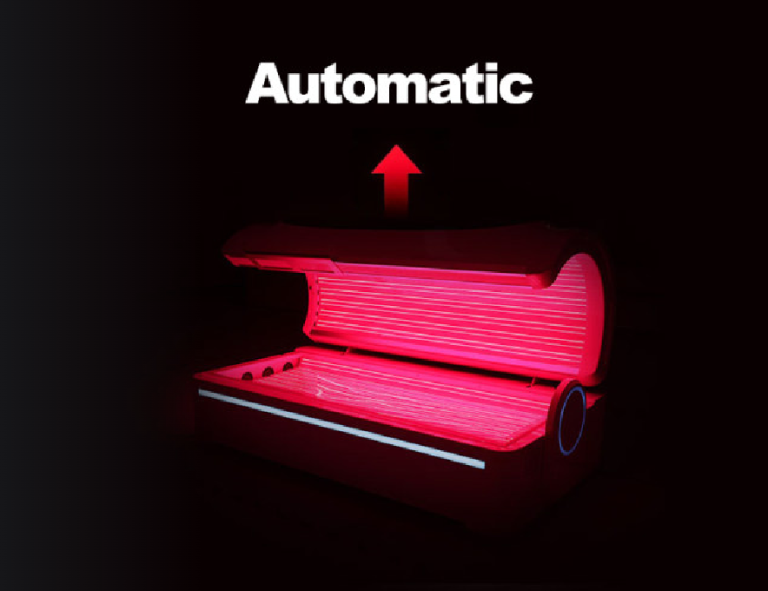
Here’s the scene: a casual user, a clinic director, a handful of studies, and a looming question about value and safety. I’ll walk you through what I’ve learned, share some things people miss, and yes—I’ll keep it plain and Southern: you don’t need jargon to get this right. Let’s move from the porch talk into the nuts and bolts.
Part II — Why many designs miss the mark (technical take)
led light bed therapy gets a lot of headlines, but the core technology often gets simplified in ads. I’ve seen units that boast high wattage but ignore irradiance and power density—two things that actually govern how much energy your tissue absorbs. Photobiomodulation works on specific wavelengths and requires consistent irradiance across the treatment surface. When manufacturers skimp on LED array design or the thermal management system, you get hotspots, uneven dosing, and—frankly—disappointed users.
Look, it’s simpler than you think: quality comes from balanced wavelength selection, proper drivers (power converters), and well-distributed LEDs so the beam pattern is even. Many solutions favor flashy specs over steady output. That leads to hidden pain points: sessions that take longer than advertised, panels that overheat, or devices that degrade faster. — funny how that works, right? I want to be blunt: short-term cost savings in components mean long-term user frustration.

What problems do people actually feel?
Users complain about inconsistent results, warm spots on the skin, and confusing session guidelines. Clinicians tell me they waste time calibrating devices. Those are design failures, not user failures.
Part III — New principles and where good designs are headed
Moving forward, I focus on a few engineering principles that matter. First, match wavelength bands to intended outcomes: near-infrared for deeper tissue, red for surface work. Second, engineer for steady irradiance and monitor power density in real time. Third, build robust thermal management and reliable drivers so output doesn’t sag after a few uses. These aren’t flashy—they’re fundamentals, but they change outcomes. I’ve tested prototypes that use distributed LED arrays and smart sensing to maintain steady output; the difference in consistency is clear.
In design terms, think modular LED arrays, closed-loop feedback (sensors that adjust current), and user-facing dose controls. That lets clinics and home users set clear protocols without guesswork. It also opens the door to safer, repeatable led light bed therapy sessions with measurable parameters. — yes, it takes more engineering, but it pays off in trust and results. I’m optimistic: these principles are practical and achievable.
What’s Next?
Here’s how I suggest you evaluate devices: 1) Check measured irradiance and wavelength specs (not just wattage). 2) Ask about thermal management and component lifespan—drivers and power converters matter. 3) Look for dose control and feedback features (sensors, timers, documented protocols). Those three metrics will tell you more than a shiny brochure ever will.
In closing, I’ve seen the market mature fast. We’ve moved from toys to tools, but some makers still cut corners. If you care about consistent results—whether for home recovery or clinic use—follow the engineering, not the hype. I’ll keep testing and sharing what I find, and if you want a starting point, check out my notes and some reputable options like Magique Power.
