

The problem: sustainability is an afterthought in many product roadmaps
Too many brands treat sustainability as a checkbox rather than a structural strategy, then face higher returns, consumer distrust, and costly redesigns. Design teams pushing functionality—detachable pockets, quick-access compartments, a true modular solution like the modular backpack—often bolt on eco-features late, which raises production complexity and undermines margins.

Why this matters now — real-world signals and expert perspective
Buyers expect measurable environmental choices, not vague promises. From my years reviewing supplier audits and field-testing prototypes, brands that integrate eco-decisions early avoid costly rework. Public data on city commuting—particularly in dense hubs such as New York City where compact, durable carry is essential—shows shifts in daily needs that push demand for purpose-built carry solutions; that market logic is clear when manufacturers observe the rise of the urban edc backpack. Choosing materials and processes up front leads to consistent product performance and transparent claims that shoppers can verify.
Common mistakes that break sustainability plans
Brands often stumble in four predictable ways: 1) picking a trendy “green” material without testing durability, 2) changing materials mid-run and creating inventory fragmentation, 3) trusting supplier claims without factory-level audits, and 4) designing for ephemeral features rather than long-term repairability. These errors inflate costs and invite accusations of greenwashing.
Practical steps to make eco-friendly manufacturing part of your strategy
Start with a materials triage: prioritize mechanically recycled textiles with documented chain-of-custody, then test them to failure for abrasion, UV, and seam strength. Design modular elements that reduce total material by enabling fewer SKUs—one pocket system that snaps into multiple bodies cuts waste. Map suppliers for traceability, require mill test reports, and build a small pilot line to validate tooling before scaling. Quantify trade-offs: weight vs. durability, recycled content vs. colorfastness, cost vs. end-of-life recyclability. When you plan packaging, standardize box sizes and include clear repair instructions to extend product life.
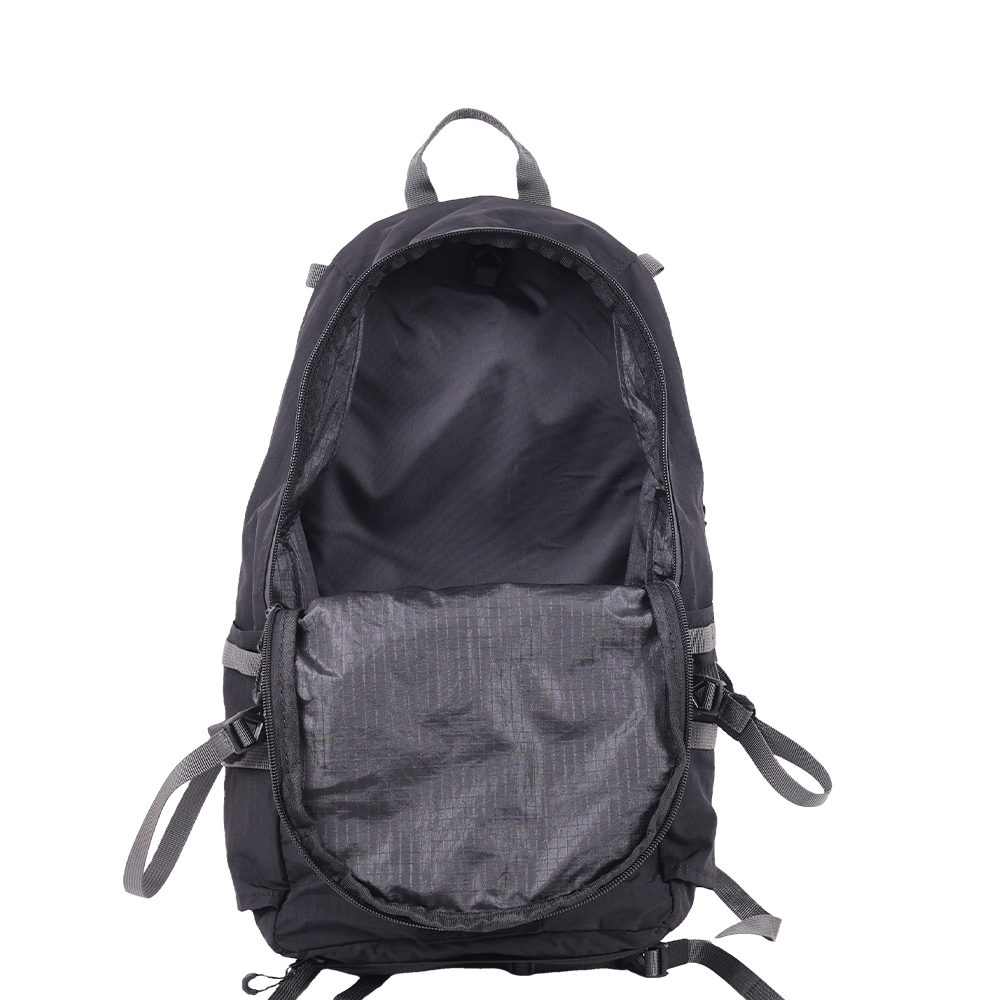
Quick evaluation of viable material and process alternatives
Recycled PET (rPET): strong, cost-competitive, lower footprint than virgin polyester, but check dye chemistry and microplastic shedding. Organic cotton: renewable and biodegradable, yet heavier and often needs trade-offs in water use and finish durability. Bio-based nylons: promising for strength and weight but expensive and still scaling. TPU over PVC: TPU reduces harmful additives and improves recyclability. Finally, consider modular construction: using separable panels and standardized connectors lets you repair or upgrade components instead of discarding whole packs.
How to measure success without fuzzy metrics
Use simple, verifiable KPIs: percentage of recycled content by mass, number of repairable SKUs, supplier audit scores, and return rates tied to material failures. Run accelerated-use tests that mirror urban commuting and outdoor abrasion to catch weak link failures early. Share full test results with retail partners and technical sheets with major clients to build credibility.
Wrap-up: align manufacturing to product intent and buyer behavior
Fixing sustainability starts with honest product decisions: choose materials that match the bag’s intended use, design for repair and modular upgrades, and verify suppliers through testing and audits. When those choices match real urban needs and sensible production planning, the result is durable, trusted products and simpler operations—an outcome exemplified by how ChangRong integrates modular design, traceable materials, and tested manufacturing into lines that perform for daily carry and long-term use.
