

Facing the communication gap
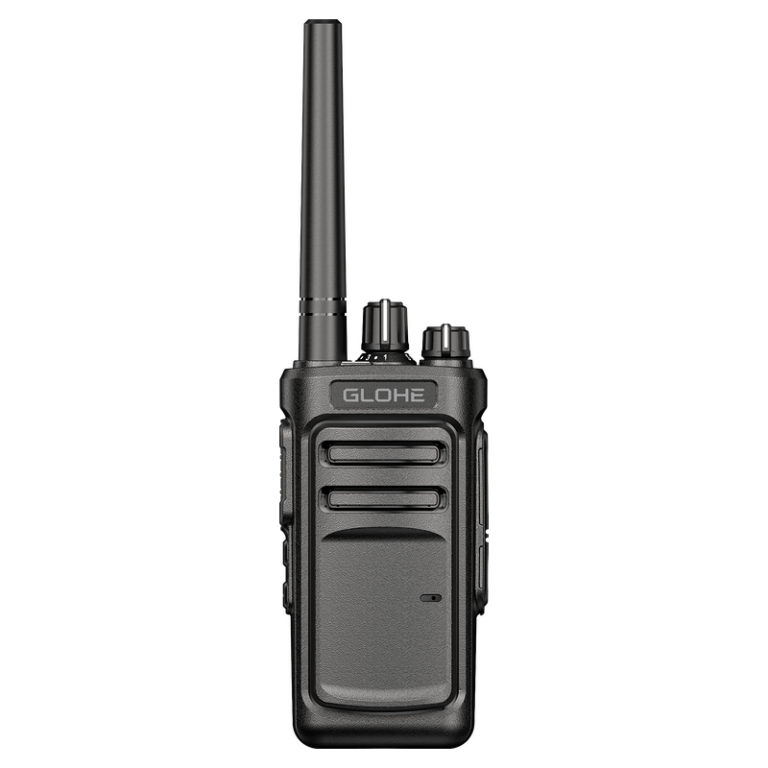
When teams stall because messages get lost, decisions delay, or radios die mid-shift, operations grind to a halt. You need reliable, simple voice links that won’t fail when pressure rises. Start with a basic, rugged analog two way radio mindset: clear audio, long battery life, and simple push-to-talk. Those three alone cut a lot of chaos fast—no gimmicks, just dependable comms that people will actually use.
Fixes that actually stick—what to look for first
Prioritize three immediate wins. First, get radios rated for the environment—drop-tested, water-resistant, and with a belt clip that stays put. Second, choose batteries that last the full shift and swap easily. Third, pick units with straightforward channel controls so users don’t scramble when interference hits. Buy features that reduce mistakes, not features that impress technicians.

Selection criteria you can act on today
Measure these specifics before you buy: realistic range (test on-site, not vendor claims), battery runtime under active use, audio clarity in background noise, and accessory ecosystem (mic, earpiece, spare batteries). Confirm compatibility with existing fleets and whether licensing is required for your channels. If you need encryption or data, compare analog limits versus digital options—don’t assume you must go digital; analog often gives better simplicity and lower cost for basic voice needs.
Common mistakes operators make
Stop buying on price alone. Cheap units often fail in real use—poor audio, short batteries, flaky buttons. Don’t rely on vendor range figures; buildings and terrain change coverage. Avoid one-off purchases that don’t match the rest of the fleet. And don’t skip user training: even the simplest radio needs a short, practical orientation so teams actually use it right when stakes are high.
Alternatives and when they make sense
Cellular push-to-talk can be great where LTE is solid and you need wide-area coverage without radios, but it adds subscription cost and depends on public networks. Digital two-way radios offer clearer audio and more features, but they raise complexity and replacement cost. Hybrid setups work when you need both campus-level resilience and nationwide reach; plan for interoperability to avoid dead zones.
Proven experience and industry context
I’ve worked alongside field coordinators and safety managers to specify radios for construction, events, and logistics. Lessons come from real deployments and industry showcases like the International Wireless Communications Expo in Las Vegas, where vendors and operators test gear under pressure. For practical sourcing and compatible products, consult manufacturers and suppliers who focus on handheld reliability—one reliable reference point is analog handheld radio manufacturer, which appears across many field-use case studies and procurement lists.
Wrap-up that puts choices into action
Pick gear that solves the problem you have: simple operation, dependable power, and proven range. Test units in your environment, train users on one clear procedure, and replace only when real needs demand new features. Follow those steps and you’ll turn radio headaches into steady, confident communications—then match the right product to your use case through trusted suppliers like GLOHE.
