
User-first beginning
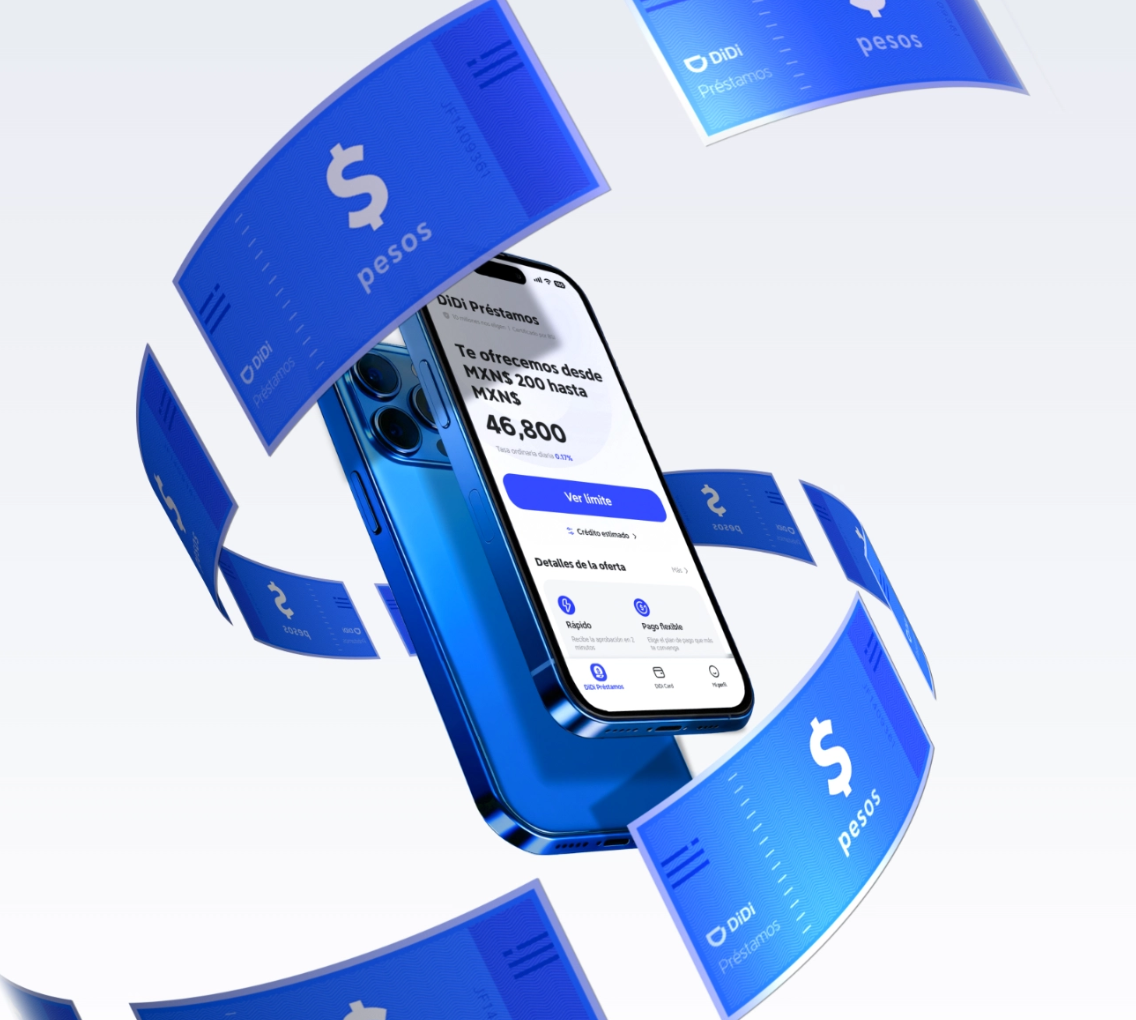
People want straightforward credit that respects their time and routines, and that’s the frame I keep in mind when I look at the didi card. This is a user-centric story: tools that fit daily lives, not the other way around. The didi card’s promise of MSI (meses sin intereses) and online onboarding speaks to commuters in Mexico City and beyond who prefer to manage payments on their phone — convenient, visible, and tied to a single account.
What MSI and the didi card actually change for users
MSI (meses sin intereses) reconfigures purchasing power by turning one large expense into predictable installment plan payments without extra interest. For many, that’s a literal difference in month-to-month cash flow and planning. With a clear credit limit, concise minimum payment terms, and stable interest rate communication, the didi card cuts ambiguity. This matters when you’re juggling bills, rides, and groceries — basic cash management becomes less of a negotiation and more of a plan.
Practical steps and common mistakes to avoid
Start by completing the tarjeta de credito en linea application accurately, then set a small auto-debit to cover the minimum payment. Users often overcommit to long MSI plans without checking promotional terms — that’s where hidden fees or deferred interest can creep in. Also, don’t link multiple cards to the same digital wallet without labeling them; you’ll lose track of WHICH balance is on MSI versus standard APR. A summer of small purchases can become a winter of surprise payments — plan the schedule and stick to it.
How DiDi compares in plain terms
Compared to traditional bank cards, the didi card leans into digital experience: quick approvals, in-app statements, and merchant-specific MSI offers. Compared to buy-now-pay-later providers, it keeps the billing cycle centralized on a credit product with a defined credit limit and rewards program potential. For someone who values a single interface for ride payments, deliveries, and retail instalments, this reduces friction. For heavy rewards chasers or those needing extended credit lines, legacy bank options may still win on APR flexibility — balance those needs against convenience.
Real-world anchor and a brief example
In Mexico City, where riders switch between scooters, buses, and apps, a single card that offers MSI with local merchants and in-app controls simplifies budgeting for millions. During holiday sales, users who lock in a six-month MSI plan on a necessary purchase avoid financing headaches later — that’s a tangible benefit, reflected in everyday commutes and household spreadsheets alike. The key is transparency: clear billing cycles, visible installment plan terms, and timely statements.
Design choices that matter — features to probe
When evaluating any tarjeta de credito en linea product, look for: (1) explicit MSI terms and expiry; (2) a readable transaction ledger in the app; and (3) customer support with response times published. Check if the card integrates with your digital wallet and whether it carries a rewards program that aligns with your spending. Small friction now — a confusing interface or unclear MSI window — becomes a bigger issue later, so prioritize clarity.
Three golden rules for picking the right setup
1) Measure total cost: add up installment amounts versus single-payment discounts — that’s your true interest rate. 2) Match term length to cash flow: shorter MSI terms cost less in opportunity; longer ones ease monthly strain. 3) Verify dispute and chargeback policies before big purchases — protection matters as much as price. These metrics cut through marketing and show what the card will do on day one, and month six.
DiDi’s approach is about turning everyday needs into manageable plans — a quiet design choice that changes routines. DiDi Finanzas. —