

Introduction
Have you ever wondered why some workshops still smell like chemical soup even with ducting in place?
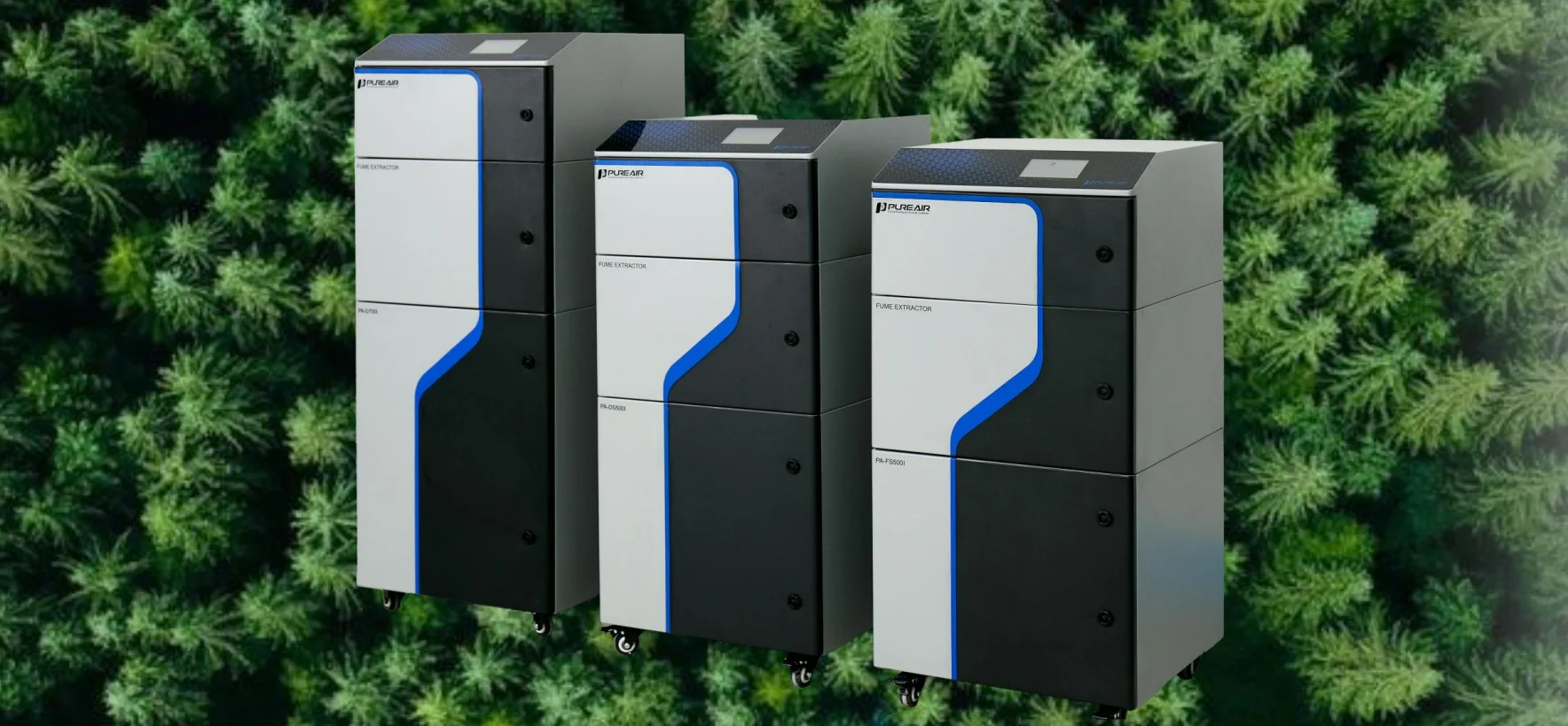
I ask because I’ve audited several sites where fume extraction products were fitted but performance lagged — measurements often show VOCs and particulate counts well above safe limits (30–70% over, in some cases). Given those numbers, what are we missing when choosing and designing these systems?
This piece walks through the scenario, shares simple data, and poses the practical question: how do we pick and tweak systems so they actually work? I’ll be frank — I’ve seen both clever fixes and avoidable mistakes — and I’ll point out what matters next.
Now, let’s move on to where the trouble often begins.
Why Standard Solutions Fail: A Technical Look at Exhaust in Printing Rooms
exhaust in printing rooms is frequently installed as an afterthought — tucked in, undersized, or set to run at a fixed fan speed. In many cases the ductwork is wrong for the layout, the capture hood is misplaced, or the system simply can’t overcome the static pressure of the process. I’ve measured poor capture efficiency where the airflow rate was half what the designer assumed. That mismatch explains most complaints.
Why do standard designs fail?
First, designers often pick a nominal fan and a HEPA filter and assume job done. But real environments have variable loads — print jobs, solvent types, temperature shifts — that change the required airflow and filter media. Activated carbon beds saturate faster than expected; fan speed controllers are left at one setting. Look, it’s simpler than you think: match capacity to the real peak load, not to an average. Secondly, the placement of capture hoods matters. Too far from the source and the plume escapes. Too small and you get turbulent mixing. — strange, but true.
When I consult, I check for particulate matter spikes (PM2.5), VOC sweeps, and whether the system has pressure gauges or sensors to confirm breathing room conditions. If there are no monitoring points, you’re flying blind. I prefer designs that allow for periodic testing and easy filter replacement; otherwise maintenance gets postponed and performance collapses.
What’s Next: New Principles for Smarter, Safer Exhaust in Printing Rooms
Moving forward, the principle I champion is adaptive control. Rather than a fixed-speed fan and a single filter type, consider variable fan speed driven by sensor feedback (VOCs, PM2.5) and staged filtration — for example, a pre-filter for particulates, HEPA for fine dust, and activated carbon for solvents. That approach keeps the capture hood pulling the plume reliably and reduces wasted energy. I often recommend capture hood redesigns that shorten the path between source and inlet; small tweaks there yield big gains.
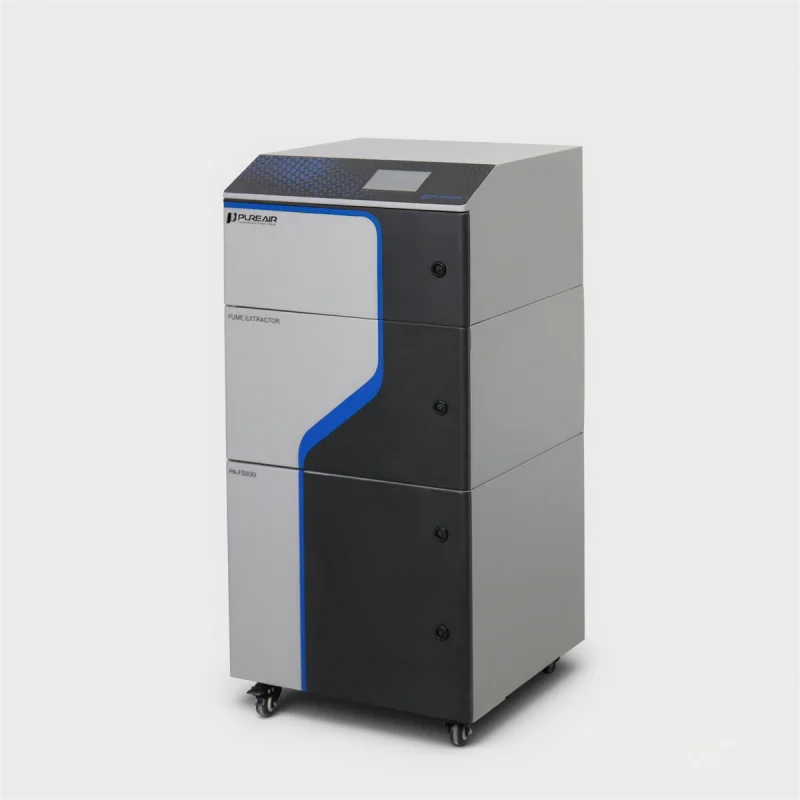
Real-world Impact?
In a recent retrofit I oversaw, we added fan speed controllers, pressure sensors, and a modest control unit to ramp airflow only when printers were active. The result: noise and energy dropped (staff were happier), and solvent readings fell below exposure limits. It wasn’t rocket science — just thoughtful sequencing and monitoring. There’s also room for edge computing nodes for local control and logging, and power converters that stabilise variable-speed drives; these bits keep the system predictable and maintainable.
To wrap up, here are three metrics I urge you to use when evaluating solutions: capture efficiency at the source (measured in direct tests), real-time sensor feedback availability (VOCs/PM2.5), and maintainability (filter access, spare parts, service intervals). Use those and you’ll choose systems that do their job day after day. — funny how that works, right?
For teams ready to act, consider piloting a monitored retrofit in one room first, then scale according to measured improvement. If you want to see practical products and configurations that have worked for me, check the offerings from PURE-AIR.
