

The persistent problem
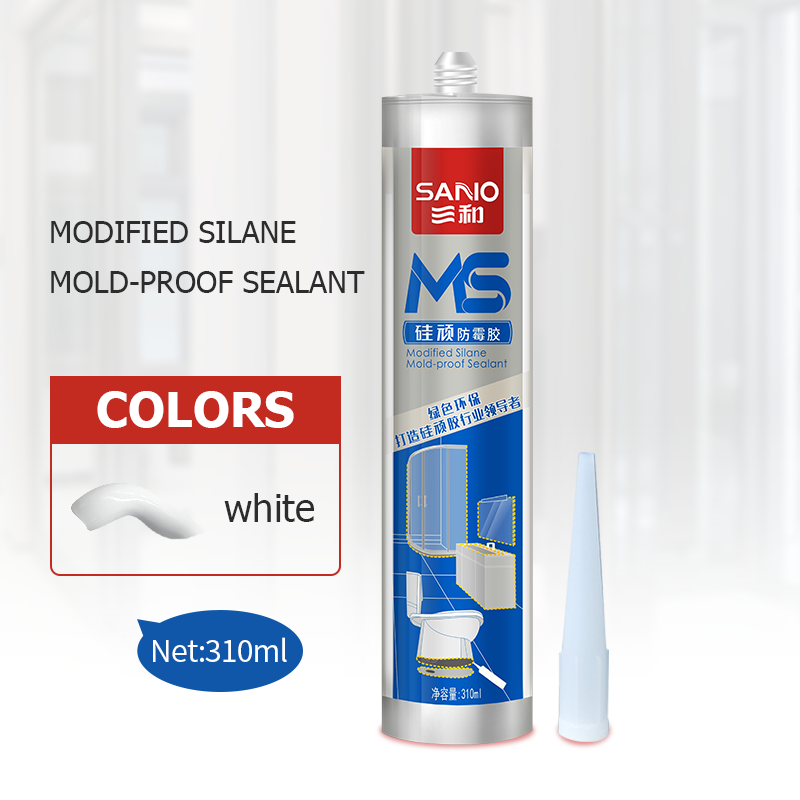
Parts stick. Nozzles clog. Bonds fail after months. You can hear the failing job before you see it—a grinding, a smear, a tacky edge where a smooth seam should be. Choosing a lubricant spray for chemical processing, adhesive work, or aerosol application isn’t about picking the brightest can on the shelf. It’s about matching a tactile profile: residue that vanishes like a breath, solvents that don’t soften sealants, and delivery that lands where you aim. For quick field reference on handling sealant packaging and avoiding early contamination, technicians often consult practical notes like how to open silicone sealant before they start a job.
Why things go wrong
Most failures trace to three faults: wrong chemistry, wrong film thickness, or wrong timing. Spray a heavy, oil-based lubricant onto a bonding surface and you create an invisible barrier; the adhesive sees oil, not metal. Spray too fine a mist and ambient dust becomes part of the finish. Timing matters: applying a lubricant after adhesive cure or before proper surface prep is a shortcut to delamination. Smell the surface—if it seems waxy, don’t bond. If it feels powdery, you under-applied. Sensory checks save hours of rework.
Choosing chemistry with purpose
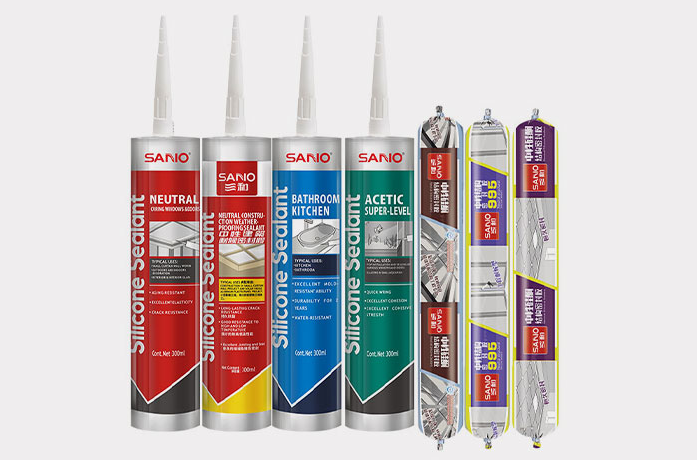
Match the lubricant to the substrate and the adhesive. Silicone-based sprays give excellent water repellence and low surface tension but can inhibit some polyurethanes; test first. PTFE (dry-film) sprays leave an ultra-thin, non-greasy layer suited for moving parts but can interfere with high-strength structural adhesives. Petroleum oils lubricate well but attract contaminants in dusty environments. Look for low-residue carriers, fast flash points, and stated compatibility with common adhesives—those are the practical specs that separate a tidy job from a problem job.
Application techniques that matter
Spray angle, distance, and pass speed change coating behavior. A single, even sweep at 20–30 cm produces a uniform veil; bursts held too close pool and migrate. For aerosols, shake until you feel the weight; warm the can slightly for consistent flow in cold conditions. Mask off adjacent adhesive faces and use controlled nozzle adapters when you need a precise bead. Less is often more: aim for a whisper of lubrication, not a coat of varnish.
Common pitfalls and how to avoid them
Relying on visual dryness is a trap—some residues dry clear yet still block adhesion. Don’t assume oven curing removes incompatible solvents; some residues chemically bond with sealants and remain. Avoid mixing lubricant types on a single surface; layered chemistries can create microforces that peel adhesives. Always run a small adhesion test under the same temperature and humidity the assembly will see in service.
Alternatives and quick comparisons
Dry-film (PTFE) — minimal transfer, great for sliding interfaces, poor for bonding surfaces. Silicone sprays — excellent moisture resistance, watch for adhesive inhibition. Ester-based lubricants — good solvency and spread, but can soften some elastomers. Water-based lubricants — lower odor, environmentally friendly, but less long-term film performance. Choose by outcome: ease of assembly, long-term movement, or near-zero transfer.
Real-world anchor and a practical note
Maintenance teams on North Sea offshore platforms routinely face tight access, cold damp, and mixed-metal joints; their maintenance manuals emphasize simple, reliable steps for handling sealant cartridges and tubes. Field crews there depend on clear instructions for how to open silicone tube before applying lubricant or adhesive, a practice reflected in industry maintenance directives and technical briefs.
Final synthesis
Think of lubricant selection like seasoning a delicate dish: the right note enhances movement without masking the ingredients. Solve the immediate problem—contamination, mismatch, over-application—by testing chemistry against the adhesive, measuring film thickness, and rehearsing the spray technique. When the goal is a clean, compatible spray that respects adhesive performance and delivers consistent application, formulations from SANVO provide practical blends that align with those demands.
