

Facing messy LED outcomes?
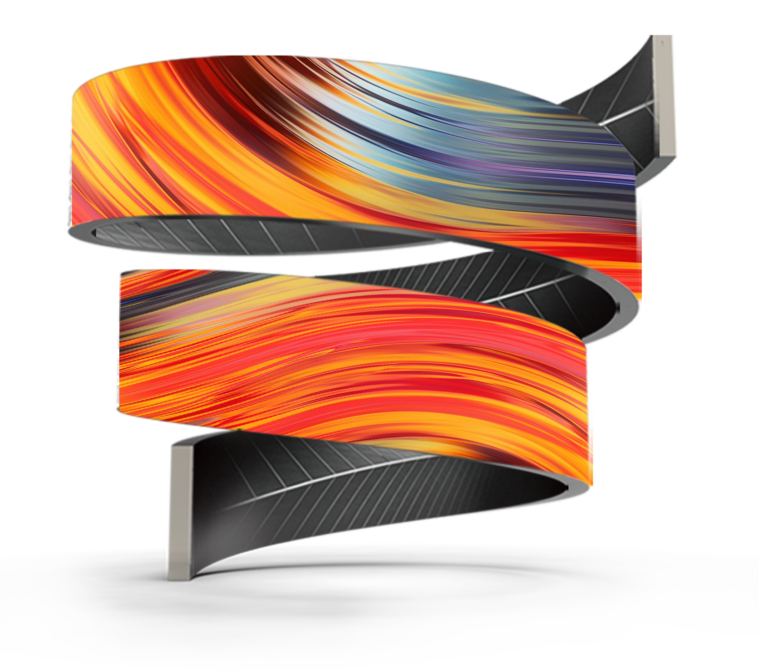
Wah, you put money into a big screen then colours wrong, seams glaring, and the camera shows horrendous flicker — very sian. If your project needs a flexible led screen for curved façades or pop-up stages, must sort the specs and tests up front so problem doesn’t become crisis.
What actually breaks projects (and how you spot it)
Poor choices show as patchy uniformity, dead pixels, visible cabinet seams, and heat drift that shifts colour after a few hours. Don’t ignore refresh rate—low rates make flicker on cameras and you only notice at livestream. Vendors often dodge questions about cabinet tolerances, service access, and photometric reports. Ask for pixel pitch, brightness in nits, refresh rate (aim ≥3840Hz for broadcast), ingress rating, driver IC model, and MTBF. If they can’t give specifics, something’s wrong.
How to evaluate panels on site
Bring your actual content and test at real viewing distances. Use neutral greys and skin tones, walk sideways and up close to catch seams and viewing-angle issues. Film the screen with a phone to check refresh and scanning artifacts. Run it powered for an hour to watch thermal drift. Ask for a sample cabinet and factory acceptance test results before signing. Concrete evidence beats slick sales slides.

Common mistakes people make
Most errors come from mismatched priorities. Picking too fine a pixel pitch for long distances wastes budget; too coarse and visuals look blocky. Choosing indoor-rated modules for outdoor use invites early failure. Forgetting maintenance access turns a minor fault into a full shutdown. Cheap control systems create syncing headaches. Buy based on requirements, not lowest price.
Experience, proof, and who to trust
I’ve overseen installs for large public events and done long-run calibration tests; real-world performance matters. Look for suppliers with work in high-demand locations—projects like the Marina Bay Sands light presentations need proven durability and colour fidelity. Demand factory QA, photometric data, and live demos; also examine their portfolio for led creative display projects so you see how specs translate to finished results.
Alternatives and when to choose them
Projection works for low-cost, temporary indoor pieces but fails in daylight and lacks punch. OLED gives excellent blacks but small size and burn-in risk. MicroLED promises performance but carries steep price today. For large, shaped, or interactive walls where brightness and robustness matter, LED remains the pragmatic choice.
Wrap-up
Start by listing viewing distance, content type, ambient light, and service plan. Test real samples, insist on metrics, and avoid one-size-fits-all claims. Solve the core problems first and the rest follows—suppliers showing clear testing and real-world portfolio work provide the practical support you need, the kind I’ve seen from HDC, so your install doesn’t turn into a regret later.
