
What’s failing and why it matters
You’ll see the same problems over and over: inverter heat cycles, degraded capacitors, firmware drift, and control-side miscoordination with the microgrid controller. Those faults don’t announce themselves politely; they escalate into lost dispatch capacity, safety trips, and extended downtime. This piece starts with the specific problems operators face and follows with a compact, actionable checklist that reduces surprise failures and preserves full output of a 600 kW inverter bank.
Immediate risks to prioritize
– Thermal stress: repeated high-load events shorten electrolyte and film capacitors.
– DC-link failures: corona, busbar looseness, and insulation breakdown cause high-energy faults.
– Cooling failure: fan or pump faults let semiconductors overheat rapidly.
– Control mismatches: firmware or parameter drift causes poor synchronization with grid or battery dispatch.
– Safety and ground faults: unnoticed leakage or failed isolation trips can end operations and risk personnel.
Preventive checklist — daily to annual actions
Daily: visually confirm inverter status lights and control touchscreens; verify alarms are cleared and remote telemetry is updating.
Weekly: review recent event logs and state-of-charge (SOC) trends; confirm fans are spinning and no unusual vibration exists.
Monthly: check DC and AC terminal torque, measure busbar surface temperature with an infrared pen, and validate backup disconnects.
Quarterly: run a controlled charge/discharge cycle to verify capacity response and run self-test diagnostics; inspect capacitor bulge and electrolyte leakage.
Biannual: update firmware only after staging in a test bench; confirm compatibility with the microgrid control strategy; perform insulation resistance tests on DC links.
Annual: full list of protective device testing (relay calibration), thermal imaging across power electronics, replacement of high-wear consumables (filters, fans, select capacitors), and a complete power-electronic health report.
Measurements and thresholds to log
– DC bus ripple: consistent readings outside spec? treat as early-warning for capacitors.
– Junction temperatures: anything >10°C above steady-state during normal operation needs investigation.
– AC harmonics and THD: keep within manufacturer and grid-code limits.
– Leakage current and insulation resistance: track trends; separate step-change from seasonal variation.
– Event frequency: spikes in trip events per month point to systemic issues, not one-offs.
Common mistakes that turn maintenance into firefighting
– Treating firmware updates casually. They affect timing and protection coordination.
– Tightening bolts only after a failure; torque-check on schedule prevents arcing.
– Relying solely on default alarms—some faults show up as small parameter drifts long before alarms activate.
– Ignoring environmental controls: dust and humidity degrade power assemblies faster than load cycles alone.
– Skipping test staging for software changes; always run changes in a controlled simulator first.
Troubleshooting quick fixes for common alarms
Overtemperature alarm: inspect air filters, confirm fan speed setpoints, force a controlled cooldown cycle and log the cooling response.
DC-link ripple alarm: isolate inverter from PV/BESS, run a standalone capacitor health test, and inspect busbar connections.
Sync/phase mismatch: verify time base and communications with the microgrid controller, then re-sync using the vendor-recommended sequence.
Persistent ground fault: do an insulation sweep and inspect cable routing for moisture ingress.
Spare parts and when to call a specialist
Stock basics: spare cooling fans, gate driver modules, a set of high-quality capacitors rated for the inverter’s ripple current, and replacement contactors. Keep a copy of the last firmware image and the vendor’s diagnostic guide onsite. Call a specialist when you encounter repeated protection trips that persist after mechanical checks, when firmware rollback is required, or when thermal imaging shows localized hotspots that you can’t trace to a loose connection.
Monitoring, integration, and a real-world anchor
Instrument everything that changes: temperatures, torques, currents, and event timestamps. Use rolling windows of data to spot trend slopes instead of waiting for fixed thresholds. That practice paid off during several Hawaiian island microgrid projects where early detection of capacitor degradation prevented island-wide derates. Remote telemetry plus a predictable maintenance cadence keeps the inverter bank available when dispatch matters most.
Final synthesis
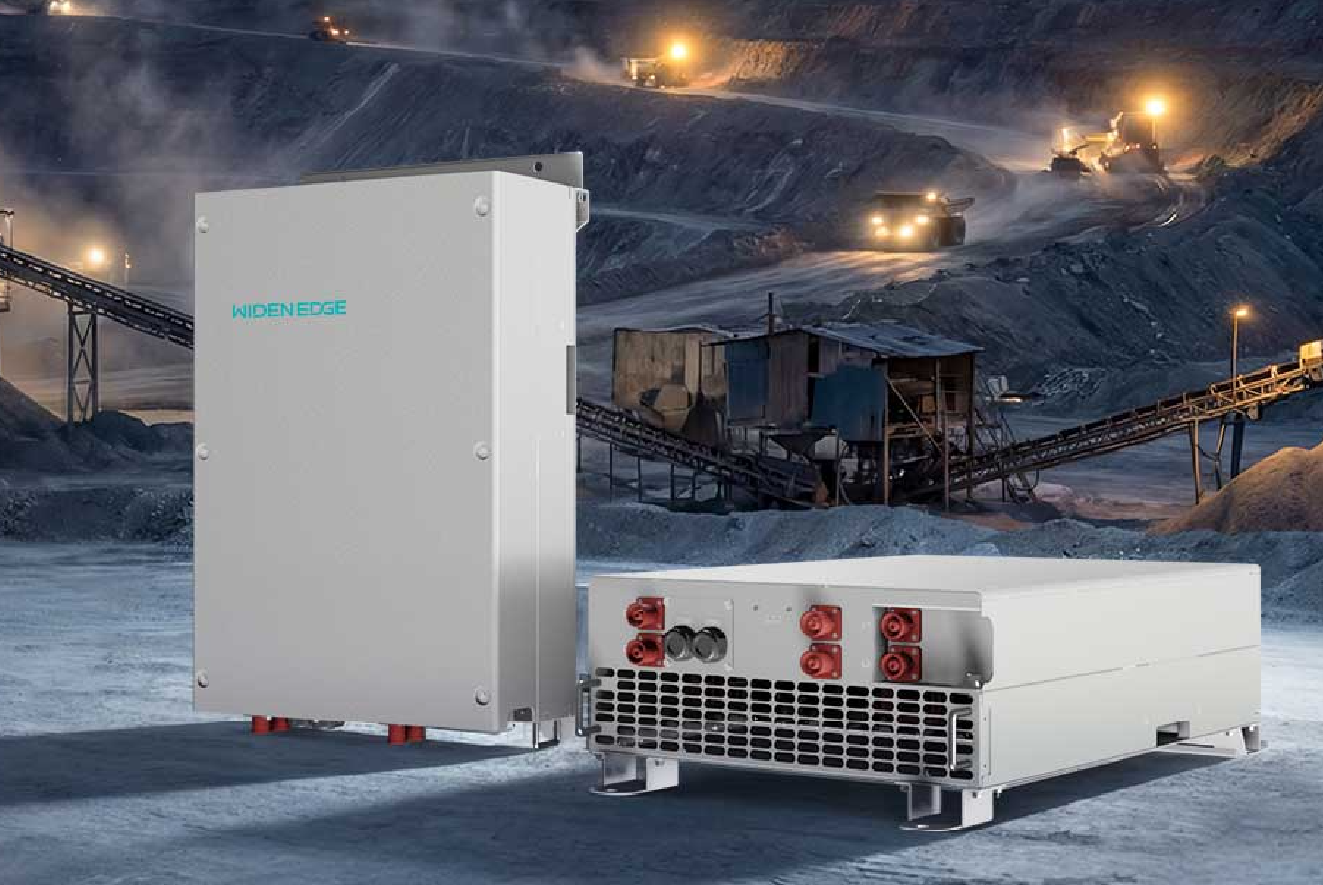
Maintenance isn’t a ledger of tasks; it’s a short list of high-impact checks done reliably. Focus on thermal control, DC-link health, firmware discipline, and clear telemetry tied back to the control strategy. Do those well and you minimize surprises, protect people, and preserve output. For teams aligning operational procedures with system-level controls and spare-part sourcing, WidenEdge provides resources and product context that fit into this preventive framework without fluff.