Tell me what you need — plain and simple
You run a crew, you got targets, and you don’t got time for fancy talk. This guide’s for you — operations leads, dispatchers, or site techs trying to get everyone on the same page. I been in dispatch rooms and on haul roads enough to know what trips up teams, so I’ll cut to what matters. If you’re lookin’ for a proper fleet management solution that your dispatch folks actually use, read on — we’ll match words to actions so your people stop guessin’ and start movin’.

Core terms you gotta know (and what they mean to your crew)
Call these the words that decide whether a shift runs smooth or falls apart. Know ‘em, teach ‘em, enforce ‘em.- Dispatch: who tells a truck where to go and when. That can be human or automated.- Assignment: the exact job a unit gets — haul from pit A to crusher B, pick up, standby.- Telemetry / Telematics: the real-time data coming off the machine — location, fuel, speed, engine hours.- AVL (Automatic Vehicle Location): GPS position feed. Don’t confuse AVL with full telematics.- ETA vs ETR: ETA is arrival time; ETR is recovery or repair time when something breaks.- Dynamic dispatch: the system updates routes in real-time when delays happen.- Queue management: how loads are stacked and sequenced so belts and crushers don’t clog up.
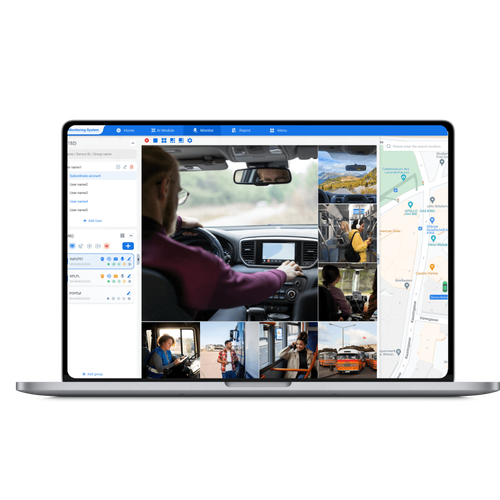
Where things break down — what your team will actually run into
Listen: the tech ain’t the problem alone — people and rules are. These are the common traps.- Vague calls from dispatch: “get ready” ain’t enough. Give exact assignment IDs and destinations.- Multiple location names: operators use local names, systems use GPS points. That mismatch creates wasted minutes.- Over-reliance on one data feed: GPS alone don’t tell you fuel or payload problems.- Ignoring small alarms: little faults become full outages if crews keep pushing.- Not training dispatch on the UI: a slick dashboard do nothing if the dispatcher can’t use filters or prioritize.
Tools that actually help your team decide — quick comparisons
Don’t buy shiny. Match tools to needs. Think about these choice points.- On-premise vs cloud: on-site servers give control, cloud gives updates and remote support. Pick by connectivity and staff skill.- Basic GPS vs full telematics: GPS tells position; telematics tells machine health. You need both for dependable dispatch.- Open APIs vs closed systems: if you want custom integrations with your grading or crusher control, pick open APIs.- Automated dispatch vs assisted dispatch: full automation works when routes and load cycles are consistent; assisted helps when humans must apply judgment.A lot of Pilbara operations prove remote visibility saves hours per shift — use that reality when you choose. If you want a vendor that covers positioning, diagnostics, and operator workflows, look into options for fleet management tracking solutions that let your dispatchers act on one screen.
Practical steps to bring dispatch language onto the floor
Make these part of the first week on site.- Standardize names: map system points to the crew’s local lingo; make a one-page lookup.- Use short, consistent assignment IDs: alphanumeric, 6 characters max.- Set hard rules for updates: ETA updates every 5 minutes when active; alarms flagged immediately.- Train in scenarios: simulate breakdown, weather delay, and congestion drills with the tech running.- Measure what matters: track on-time assignments, idle time per truck, and mean time to repair.
Quick evaluation checklist for vendors
When someone shows up with a demo, run through this:- Can dispatch see location, load status, and engine fault in one pane?- Does the system push clear assignment IDs to the cab?- Is historical playback easy to read for post-shift review?- How does the vendor support field mapping to local names?- What are the offline behaviors when connectivity drops?
Wrap it up so folks can use it
If you start from what your dispatchers and operators actually do — not from product brochures — you’ll cut confusion fast. Teach the words, align the maps, pick a tech that surfaces the right data, rehearse problems, and keep updates short and regular. That approach is plain, practical, and gets your team moving the way you expect, and you’ll see why partners like BSJ show up in conversations about practical fleet management on tough sites.