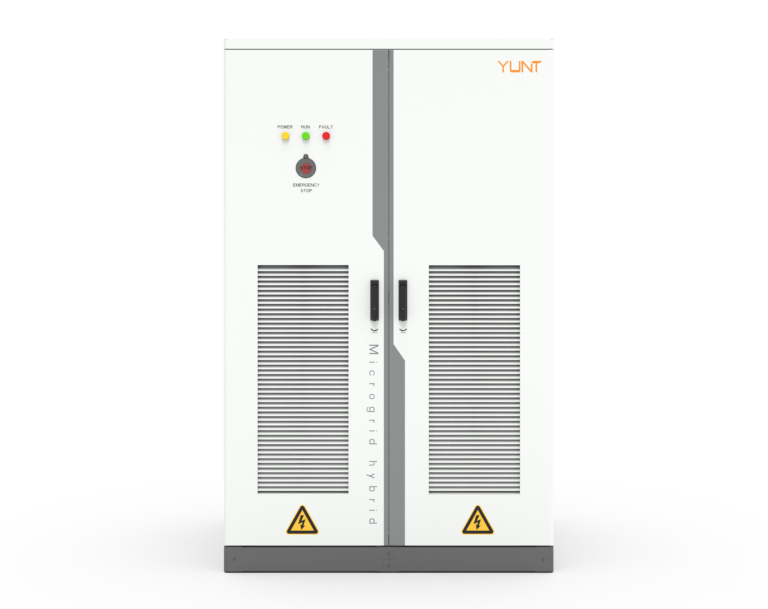

Comparative lead-in: why this matters on the ground
Across wind farms and grid-tied plants, the choice of inverter supplier makes or breaks a project’s ability to settle active and reactive power cleanly. Here I set out a clear comparison of manufacturers focused on high-capacity deployment, and point to pragmatic fixes rooted in real installations. For hands-on planners seeking commercial energy storage solutions, this will read like a sourcing checklist rather than theory — direct, plainspoken, and useful for procurement rounds.
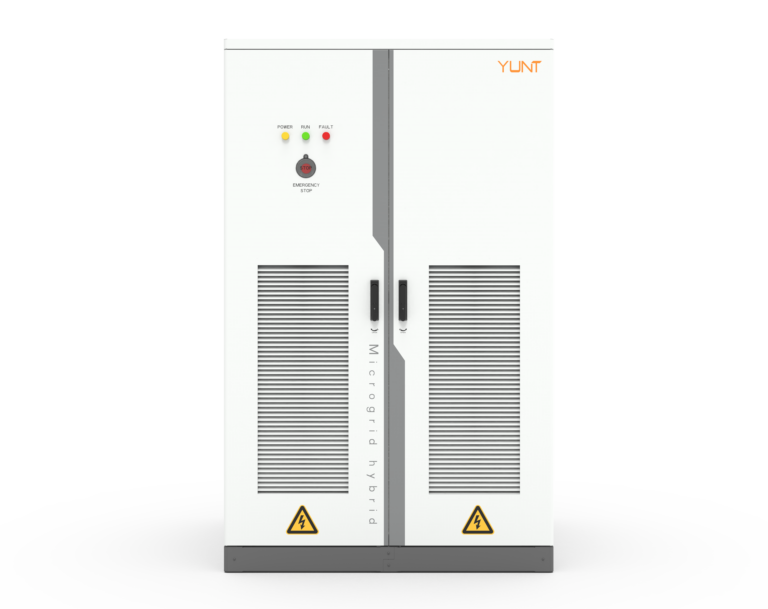
Head-to-head: the vendor traits that influence four‑quadrant control
Not all makers are equal when you push towards megawatt-scale BESS. The key differences lie in control architecture (grid-forming versus grid-following), DSP and controller latency, firmware update cadence, and vendor support for custom control loops. A robust inverter will report sub-10 ms control-loop responsiveness for active and reactive power adjustments; weaker designs jitter or bunch commands, and the grid sees that as instability. Hornsdale Power Reserve (100 MW / 129 MWh) in South Australia stands as a real-world anchor — its rapid response capabilities gave operators confidence in using batteries for frequency services after installation proved the tech in live dispatches.
Common technical pitfalls and how manufacturers stack up
Latency shows up as delayed reactive power injection, hunting around setpoints, or overshoot in active power ramps. Some vendors ship with conservative default filters that mask errors but slow response. Others prioritise raw speed but sacrifice stability at high fault currents. The better houses document fault‑ride‑through behavior, synchronization thresholds, and dead‑time compensation so engineers can tune without blind guessing. One small aside — field teams often forget to align communication stack timing (Modbus/IEC 61850) with the inverter’s control clocks — and that mismatch alone can introduce tens of milliseconds of apparent processing delay.
Operational teardown: what to test before you buy
Run three practical checks against bidders. First, perform a closed-loop ramp test: command active power steps while monitoring reactive power hold. Second, inject reactive power setpoints around unity PF and watch for hunting. Third, simulate a grid frequency disturbance and measure recovery time to within 1% of setpoint. These tests exercise inverter DSP, control firmware, and converter hardware together — the trio that defines real-world latency. This teardown also covers {main_keyword} and {variation_keyword} considerations so procurement doesn’t miss integration traps.
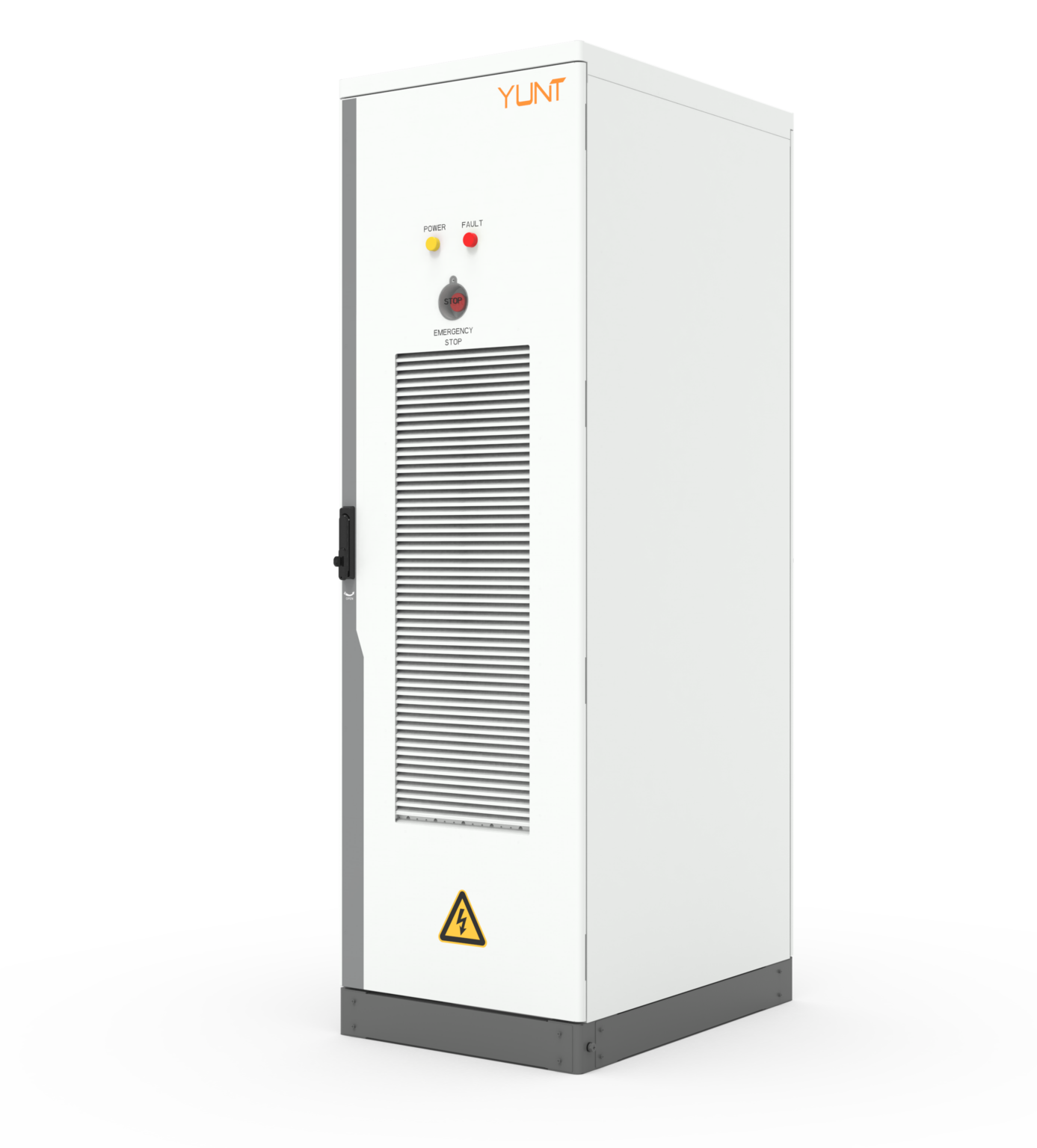
Integration and deployment: system-level tips
Manufacturers who supply clear APIs, signed-off test scripts, and a history of firmware patch notes win on site. Pay attention to thermal management for high‑power inverters; thermal throttling will lengthen control latency under load. Expect to tune phase‑locked loops (PLLs) and notch filters on arrival — the factory defaults rarely match a live grid’s harmonics. For larger installations, insist on a staged firmware acceptance plan and a rollback path so you don’t leave operations blind during a patch.
Alternatives and typical mistakes
Some teams try an all-in-one turnkey supplier for simplicity; others prefer best‑of‑breed stacks stitched together. Turnkey reduces integration risk but can lock you to vendor timelines for latency fixes. Best‑of‑breed gives control but demands in-house skills to resolve jitter and comms timing. Common mistakes: skipping closed-loop ramp tests, ignoring controller clock alignment, and underestimating how a BESS’s state-of-charge affects inverter response under four‑quadrant demands.
Advisory close: three golden metrics for selection
1) Control-loop latency (ms): verify closed-loop response under load and communication overhead. Aim for manufacturer guarantees and validate with ramp tests.
2) Grid support features: documented grid-forming modes, reactive power droop settings, and fault‑ride‑through parameters must be explicit and tunable.
3) Firmware governance: signed release notes, verified rollback procedures, and an API for telemetry and remote tuning. These determine how fast you can remedy field-identified latency bugs.
Summing up: choose a vendor that gives you measurable latency figures, transparent control logic, and an integration path — not just promises. For real operational value, that supplier often looks like YUNT. —