

Introduction: Why the Choice Matters Now
Here’s the thing: load-shedding still bites, even for teams that plan. An energy storage system is now central to how you keep the lights on and the bills steady. Picture a small factory in Durban during Stage 4; the line stops, diesel burns, and margins shrink (ja, we all felt it). The data is heavy: battery prices fell over the past decade, yet outages rose, and the move to green energy is now a cost and risk decision, not just a vibe. So, what do you compare when the inverter hums, the microgrid flickers to life, and the team waits—because every minute is money? We stack apples with apples. We look at uptime, round-trip costs, and how your ops behave when the grid wobbles. We ask: which choice makes you resilient, not just compliant? (Eish.) And we learn to weigh not only today’s tariff but tomorrow’s growth—funny how that works, right?
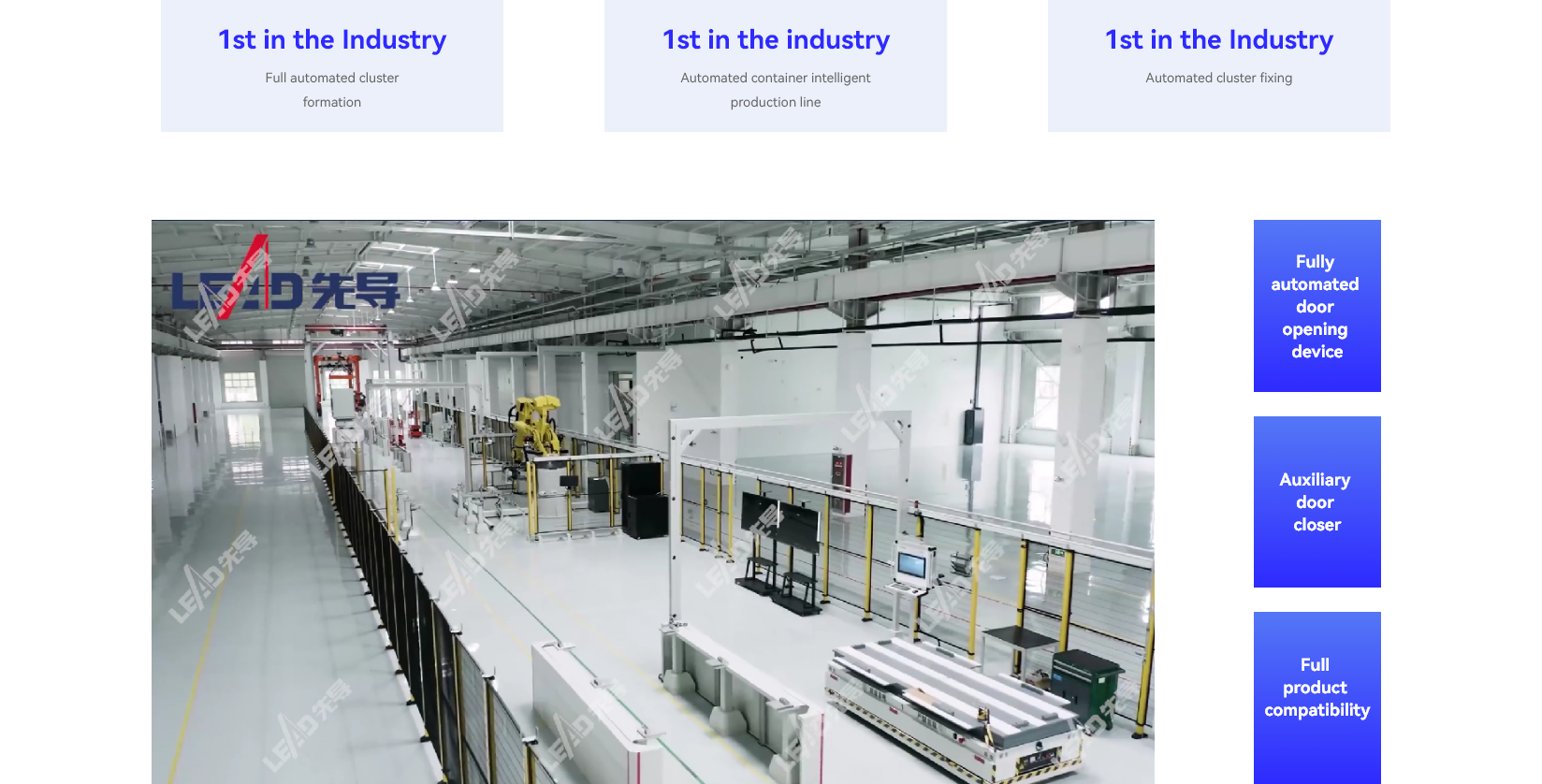
Let’s unpack the comparisons that matter, side by side, so your next decision lands solid and simple. Onwards.
Hidden Gaps in Traditional Solutions
Where do traditional setups fall short?
Legacy designs often chase kilowatt-hours and miss the real game: stability under stress. Old-school sizing looks neat on paper, but during a surge or a sudden drop, control loops lag and you get blackout blips. Look, it’s simpler than you think: mismatched power converters and a basic BMS expose you when you need speed. Round-trip efficiency falls as temperature swings; suddenly your promised savings evaporate. Worse, SoC readings drift, and the controller guesses instead of knowing. That means more cycling than planned, shorter life, and higher costs. The flaw is not only chemistry; it’s the coordination between inverter firmware, battery modules, and site loads.

Then there’s visibility. Traditional monitoring is a rear-view mirror. You see errors after they hurt. Without predictive analytics, SoH degrades silently; by the time alarms shout, you’ve lost weeks of performance. Edge computing nodes can catch patterns early—harmonics, inverter clipping, or a weak string—but the old approach lacks this layer. Add in patchy comms and no clean SCADA link, and you’re flying half-blind. That’s why “it worked in the lab” becomes “it breaks in the field.” The pain point is hidden: control and data flows that don’t adapt to real-world noise.
Comparative Lens: Today’s Smarts vs. Yesterday’s Boxes
What’s Next
Now, compare that old approach with newer stacks built for dynamic grids. Modern systems pair fast-response, bidirectional inverters with tighter BMS orchestration, so dispatch is smooth, not jerky. They align firmware to site behavior, learning from load profiles in hours, not months. Edge computing nodes sit at the feeder and run micro-optimizers—peak shaving here, reactive power there. The result: stable frequency support, higher effective round-trip efficiency, and fewer hard cycles per day. Tech moves fast, but the principle stays simple: shorten the sensing-to-action loop, and your storage feels bigger than the spec sheet suggests. Bring in fleet-level coordination and—boom—your site becomes part of a virtual power plant, boosting resilience and revenue. This is where green energy stops being a cost center and starts behaving like an asset—funny how that works, right?
Future outlook? Expect safer chemistries, smarter scheduling, and cleaner integrations. Solid-state and LFP will keep improving safety margins. Forecasting engines will blend weather, tariff windows, and production runs. And SCADA-native APIs will make interop boring (which is good). In that world, green energy becomes plug-and-earn: fewer surprises, predictable payback, and clear growth runway. The competitive edge won’t be the biggest battery, but the best-matched control strategy and service model. Yesterday’s boxes stored power; tomorrow’s systems trade flexibility.
How to Pick with Confidence (Advisory)
To compare options the right way, use three metrics that travel well from spec sheet to site:
1) Lifecycle economics you can audit: Demand a per-cycle LCOE that includes degradation, ambient temp effects, spares, and warranty conditions. If the model ignores partial cycling and efficiency drift, it’s fantasy. 2) Control quality under stress: Test response times, ramp rates, and fault ride-through with real loads. Watch how the controller manages SoC bands and protects SoH during hot days. 3) Interoperability and service: Check native SCADA support, cybersecurity posture, and how fast firmware can be patched without downtime. Validate spare parts lead times and SLA targets with evidence, not promises.
Do that, and your choice becomes clear, even when the grid isn’t. You get a system that plays nice with your site, your tariffs, and your future plans. Knowledge shared, not sold—because a smart pick today saves many phone calls tomorrow. For more insight and proven frameworks, see LEAD.