

Problem: inconsistent viscosity wrecking your batches
Right, here’s the rub: paint that looks fine in the lab but runs or skins on the line costs time and money. Trouble usually starts with measurements that don’t match between the bench and production. You might’ve tried a cup, a quick stir, or an old spindle and still get mixed reads. For reliable control you need instruments built for repeatability—think proper bench units and reliable rotational viscometers rather than guessing by eye.

Why that problem matters for OEMs and project buyers
Small variance in viscosity alters spraying, film build and drying. That shows up as rejects, rework, and missed deadlines. OEM procurement faces two specific pressures: consistent specs across suppliers, and instruments that survive a factory environment. Project buyers want the same readings whether the sample’s measured on-site or at a subcontractor’s lab. Pick the wrong kit and you get false confidence—bad batches follow.
Core choices: Krebs-style cup versus lab rotational units
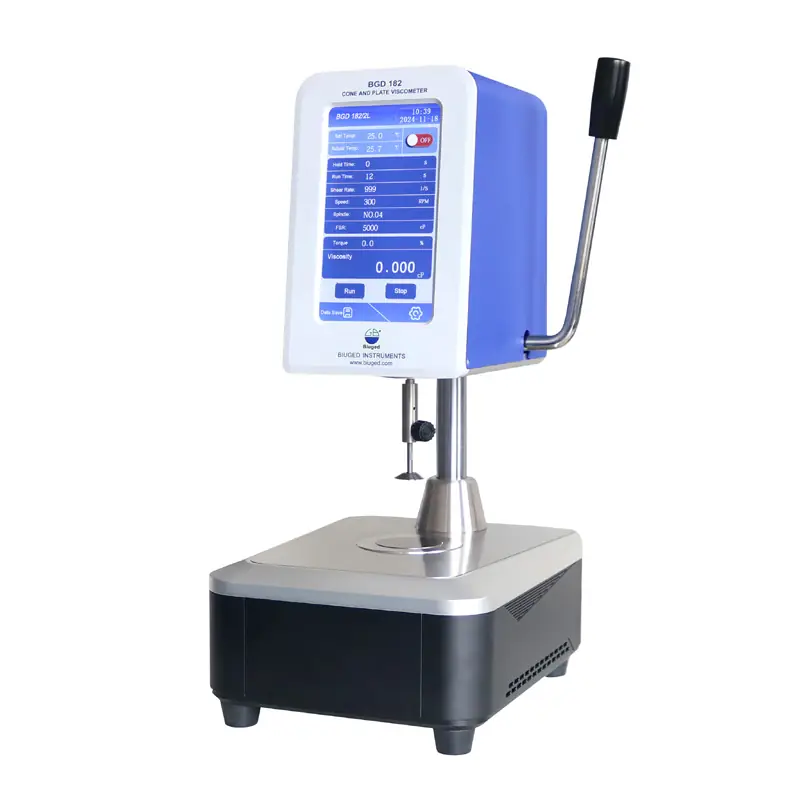
There’s no one-size answer. Krebs-style instruments (the quick, traditional tests people use in coatings) give fast, comparative reads that fabricators understand. Rotational machines measure torque across shear rates and give a fuller rheological picture. For QC where quick go/no-go checks rule the day, Krebs is often enough. For formulation, process tuning or shear-sensitive coatings, choose a calibrated rotational viscometer with the right spindles and speed control.
EEAT: practical experience and a real-world anchor
Seen at the European Coatings Show, demos of Krebs methods and modern torque-based instruments spell out the trade-offs plainly. Long experience in paint labs and factory QC shows the same pattern: Krebs tests are fast and intuitive; torque readings are more diagnostic. For typical paint plants, cross-checking a spot sample on a krebs viscometer against a rotational unit during commissioning saves headaches later. That dual approach is trusted by labs and technical teams at large coatings events and trade forums.
Common pitfalls and how to avoid them
Temperature drift. Record sample temperature and control it during measurement. Wrong spindle or speed. Match spindle geometry and shear to the product; don’t assume one setting fits all. Poor calibration. Calibrate with certified fluids and keep records. Inconsistent sampling. Take samples from the same point in the process and use identical containers. Misreading unit intent. Krebs gives comparative viscosity in Krebs units; rotational machines give torque/viscosity curves—use each for its strength.
How to spec equipment for OEM procurement and project scopes
Define required repeatability first: is a +/-5% read enough, or do you need rheological curves? Decide sample throughput: handheld-style Krebs testers suit many site checks; benchtop rotational units suit R&D or central QC. Ask suppliers for calibration certificates, spare spindle availability, and on-site service options. Require clear documentation on temperature compensation, torque range, and compatibility with your coatings (solvent-borne, waterborne, high-solids).
Short evaluations of viable alternatives
If speed matters more than detail, Krebs-based testers are cheap, fast, and widely understood on the shopfloor. If you need formulation control across shear histories, choose a rotational viscometer with programmable speeds and multiple spindles. Consider hybrid workflows: Krebs for daily checks, rotational units for weekly cross-verification and troubleshooting. Replace aging handhelds when drift or part scarcity starts to cause variance, not as an afterthought.
Final synthesis
Sort the problem first: decide whether you need simple go/no-go checks or detailed rheology. Buy instruments that meet that need and insist on calibration, spares, and service. Use Krebs checks for quick site decisions and rotational data when you must understand behaviour under shear. For suppliers and parts that match these practical requirements, companies such as BIUGED supply models, spindles and support that fit into a sensible QC workflow without fuss.
