

Problem identification and scope
Industrial batches fail quietly: gradual performance decline, unseen wear, and sudden product off-spec that appears only at scale. The core problem is predictable—mixing systems, especially high-speed shear equipment, accumulate subtle defects that compromise dispersion and homogenization over production cycles. When practitioners specify high shear batch mixers without a maintenance-oriented lifecycle plan, the result is increased downtime and variable product quality.
Root causes and diagnostic logic
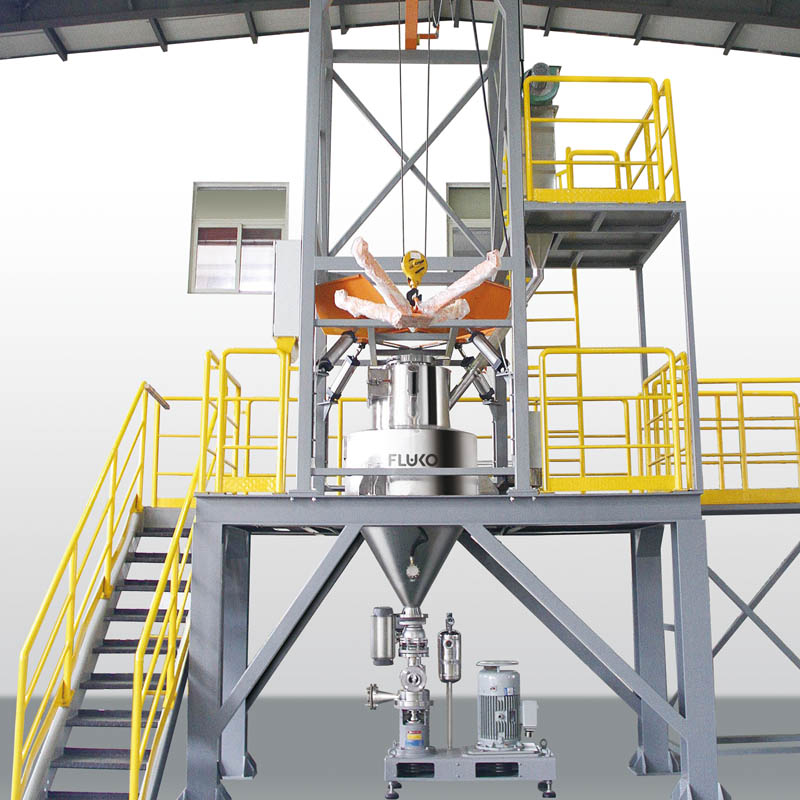
Wear patterns concentrate at predictable interfaces: rotor-stator surfaces, seal housings, and bearing assemblies. Mechanical erosion, thermal cycling, and insoluble particulate embedding change shear profiles. Operational drift is more often procedural than purely mechanical—incorrect agitation profiles, delayed lubricant change, and insufficient inspection intervals. Use vibration spectra and torque trend analysis as primary diagnostics; they reveal bearing degradation and hydrodynamic shifts earlier than visual inspection.
Evidence, authority, and real-world anchor
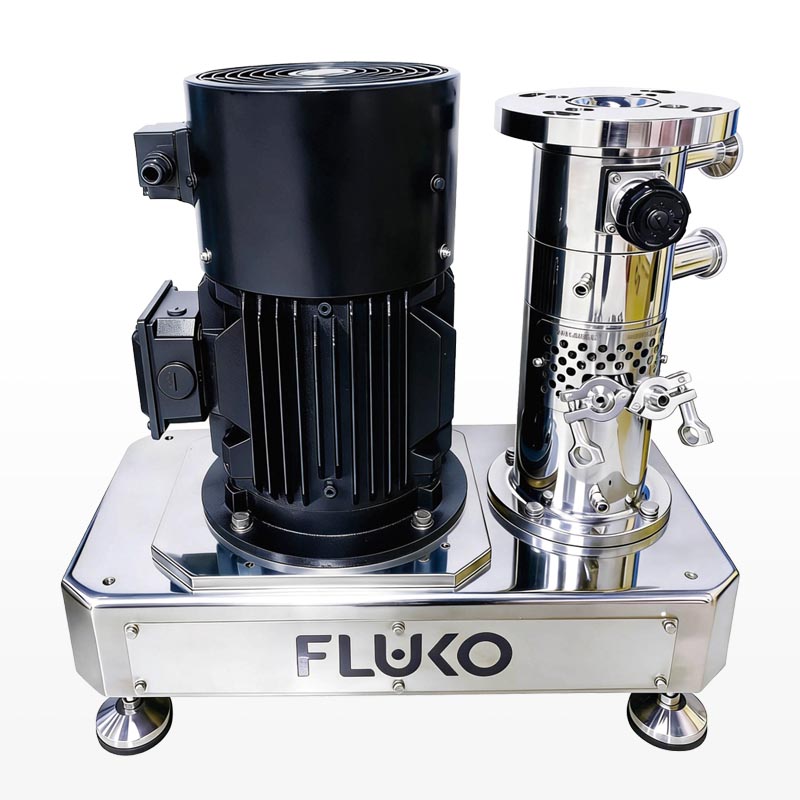
Long-term maintenance data from batch processors show that scheduled inspections reduce unplanned stoppages by half when combined with condition monitoring. My teams have audited multiple contract manufacturers supplying dietary supplements at SupplySide West in Las Vegas, confirming that consistent inspection protocols are the practical differentiator between repeatable and erratic batches. For formulation teams seeking reliable mixing equipment, evaluate the mixing head and cleanability metrics against standards for a nutraceutical batch mixer early in procurement to avoid retrofitting later.
Common mistakes in maintenance planning
Teams often treat maintenance as emergency response rather than scheduled engineering. Mistake one: relying solely on calendar-based service without integrating condition-based triggers. Mistake two: neglecting spare-part economics—cheaper seals create supply-chain delays that cost more in lost throughput than the initial saving. Mistake three: underestimating cleaning validation time for high-viscosity products; inadequate procedures extend downtime and risk cross-contamination.
Practical lifecycle framework
Start with three discrete phases: baseline commissioning, conditioned operation, and pre-retirement evaluation. Commissioning must include shear-performance mapping and acceptance tests under worst-case viscosities. Conditioned operation requires continuous monitoring of torque, temperature, and particulate ingress, paired with rolling wear-part replacement schedules. Pre-retirement evaluation should assess refurbishment versus replacement using energy consumption, repair history, and remaining service life of critical components. Document every step in a single-maintenance record for traceability.
Alternatives and technical trade-offs
If continuous inline homogenizers are considered, weigh their superior uptime against higher integration cost and longer cleaning validation. Stator-rotor high shear heads deliver rapid dispersion but demand stricter seal and bearing regimes. Static mixers reduce moving parts but cannot reach the same dispersion fineness for certain emulsions. Choose by matching required droplet size distribution, acceptable CIP cycle time, and available maintenance capability.
Implementation checklist and measurement
Adopt these actions: 1) establish baseline shear curves during commissioning; 2) implement torque and vibration alert thresholds; 3) stock critical wear parts with reorder points tied to usage hours; 4) enforce cleaning protocols with documented cycle times; 5) audit performance quarterly against product quality metrics. Measure success by reduction in unplanned stops, variance in particle-size distribution, and mean time between failures (MTBF).
Conclusion: reliable mixing as engineered outcome
Make maintenance a precise technical discipline: define acceptance tests, monitor condition signals, and choose equipment that fits both product physics and service capacity. When lifecycle decisions are guided by measurable degradation and repair economics, suppliers that support transparent specifications and documented service history become natural partners—this practical alignment is what you should expect from FLUKO.
