

Introduction: A Small Shop Problem, Big Numbers, One Question
Have you ever watched a finished batch sit idle because a single tool change stalled the whole line? That delay costs time—and real money. In many shops today, the CNC turret lathe sits at the center of that pain: a workhorse that should be speeding production yet often creates a bottleneck (sound familiar?).
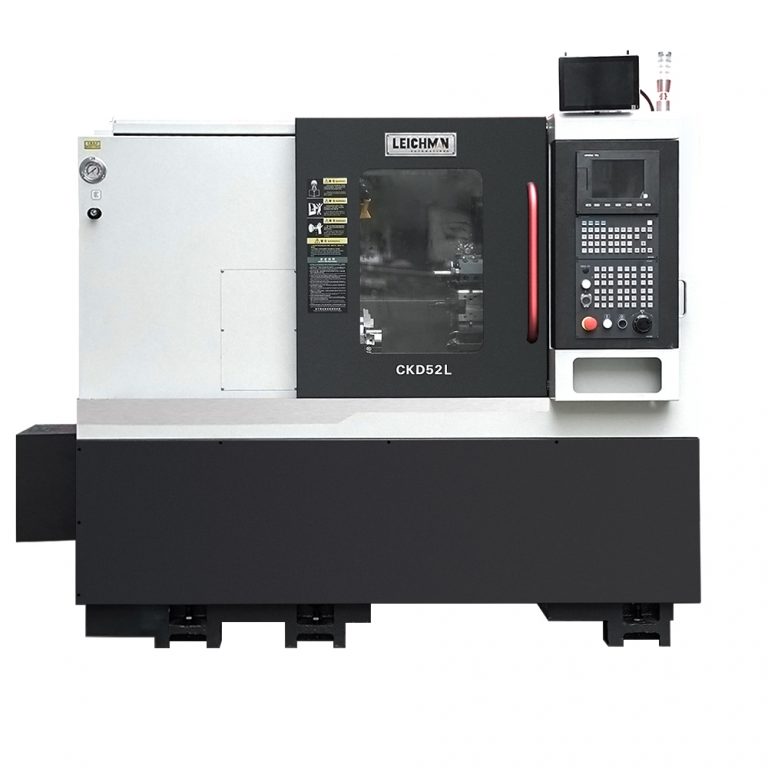
Consider this: shops report single-station downtime adding up to 8–12% lost capacity on average when tool changes or setup errors occur. So I ask: how do we stop letting the turret be the weak link and instead make it the predictable backbone of output? This piece walks through the problem, the hidden glitches I see every week, and practical ways to push past them—so you can get back to making parts, not firefighting.
Next, let’s dig into why today’s fixes fall short and what they miss in plain technical terms.
Where Current Fixes Fail: The Hidden Friction Inside the Machine
cnc turret lathe machine is the phrase most shop managers use when they talk about upgrading productivity—but the reality is messy. I see two consistent failure modes: mechanical slop in turret indexing and weak integration between the CNC controller and the tool path logic. Both look small on paper yet add variability to every cycle.
First, turret indexing error. Even a fraction of a degree off in turret positioning lets a tool rub or chatter, which ruins tolerances. That feeds back into scrap rates and extra finish passes. Second, the control layer: many systems still treat the turret as a static asset. The CNC controller sends a turret-index command, and the machine assumes the turret did it correctly. There’s no verification loop, no turret health telemetry. I’ve audited setups where spindle-speed ramps and turret rotation timing weren’t synchronized, causing minor collisions and then long diagnostics—Look, it’s simpler than you think: monitoring and feedback would stop most of these issues before alarms sound.
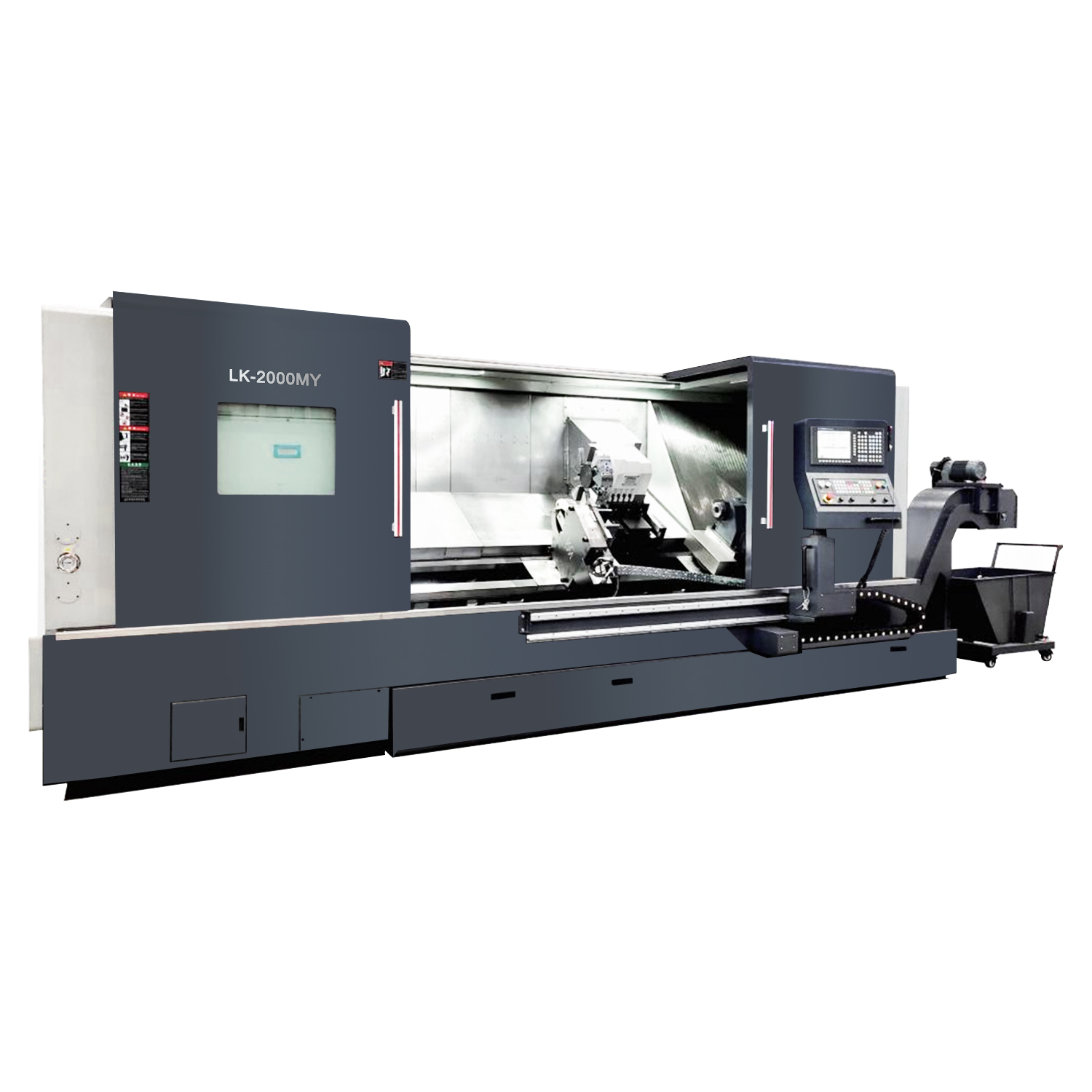
Why does this keep happening?
Because fixes are often bolt-on. Shops add speed or a new tool library, but they rarely rework the communication handshake between servo motor control, turret indexing, and spindle management. Those are the specific terms you’ll hear in the field: servo motor alignment, spindle speed control, turret indexing precision. When those elements aren’t treated as a coordinated system, downtime creeps in. I’ve learned to focus on simple telemetry and tighter control loops before chasing higher spindle RPMs—because better data prevents the mistakes that speed only amplifies.
What’s Next: Principles and Practical Steps for a Faster, Safer Turn
Looking ahead, I think the most useful advances won’t be dramatic hardware swaps but smarter principles layered on existing gear. For instance, add real-time verification to turret moves: confirm position with sensors, feed that back to the CNC controller, and halt before metal meets metal. Pair that with modest software changes that validate tool offsets against expected turret geometry. That’s where a modern cnc lathe tool turret can show its value—by exposing state and health rather than hiding it behind a black box.
In practice, I recommend a three-step path: first, instrument the turret so you can see position and torque in real time; second, update the control routines to use that data for safe sequencing; third, train operators to trust—and act on—the new feedback. These steps are low-disruption but high-impact. — funny how that works, right? Also worth noting: integrating modest edge computing nodes near the machine reduces latency on those verification loops, and reliable power converters keep servo motors happy during rapid index cycles.
Real-world impact?
Yes—shops that add feedback loops cut tool-change incidents and unscheduled stops by measurable margins. I’ve seen scrap drop and throughput rise without needing exotic spindles or expensive retrofits. Evaluate solutions by three clear metrics: mean time between stoppages, turret indexing repeatability (in degrees), and cycle-time variance under load. Those numbers tell you whether a change works in practice, not just in a spec sheet.
If you want a practical partner for sensible upgrades, I often point teams toward vendors who focus on system visibility and control harmony. For straightforward, dependable solutions, consider working with Leichman. I find plain, testable metrics and operator buy-in beat grand promises every time.
