

Introduction
Peak-hour jams do not wait for anyone, and riders feel it first. An urban motorcycle slips past cars, yet still loses minutes to lights, queues, and sudden stops. In many dense cities, commuters spend more than 100 hours a year stuck in traffic, according to regional transport studies, and the spillover cost is real. Fuel, brakes, and focus get taxed. ABS helps, yes, but stop-go heat and jittery throttle control make the ride tiring. With fuel injection and basic telematics now common, the city still asks a hard question: what, exactly, makes a daily ride efficient, safe, and calm? We often think power solves it. But torque curve and weight balance matter more at 20–40 km/h — funny how that works, right?

So here is the point, thik cha: when roads choke, choice gets sharper. Riders choose machines that manage heat, braking feel, and lane precision, not just top speed. Can a small upgrade in chassis setup or a smarter clutch reduce stress more than raw displacement? Let us test that idea and move to the real pain points next.
Hidden Frictions in the Daily Ride
What breaks in daily use?
For a typical commuting motorcycle, speed is not the main story; predictability is. The rider fights micro-delays: clutch hand fatigue, low-speed wobble, hot air off the radiator, and jumpy response over painted lines. Look, it’s simpler than you think. The problem hides in repeated micro-operations. A heavy lever and short friction zone cause stalls in crawl. A tall first gear punishes starts on an incline. Soft fork dive stretches stops and makes ABS intervene too often. Each event is small. Together, they drain energy.
Technical layers add to it. In slow traffic, the fan cycles and sips power; poor airflow keeps the head warm, nudging the ECU to tame fuel injection. That blunts low-end torque just when you need it. On scooters, a worn CVT belt flares revs but gives little push. On electrics, weak power converters can sag under accessory loads. Even a cluttered CAN bus can delay a throttle-by-wire signal by a blink. It is rare, but you feel it as a lag. The rider translates that lag as “nervous.” And nervous means slower filtering, wider turns, and more brake taps — all adding minutes you never planned for.
Comparative Outlook: What New Tech Changes on Busy Streets
What’s Next
Now compare two paths: traditional tuning versus city-first engineering. The old way tweaks gear ratios and adds a bigger disc. It helps, then fades in gridlock. The new way starts with low-speed control loops and heat paths. Think small-edge computing nodes on the bike that read wheel speed, lean angle, and brake pressure, then shape throttle-by-wire at 15–30 km/h. Add cornering ABS with a gentle ramp, not a hard pulse. Use a light flywheel and a slipper-assist clutch to calm stalls. For electrics, pair robust DC-DC power converters with a cooler battery layout, so lights and fans do not starve the motor. This is not flashy. But on cramped streets, it feels like space — hard to ignore, no?
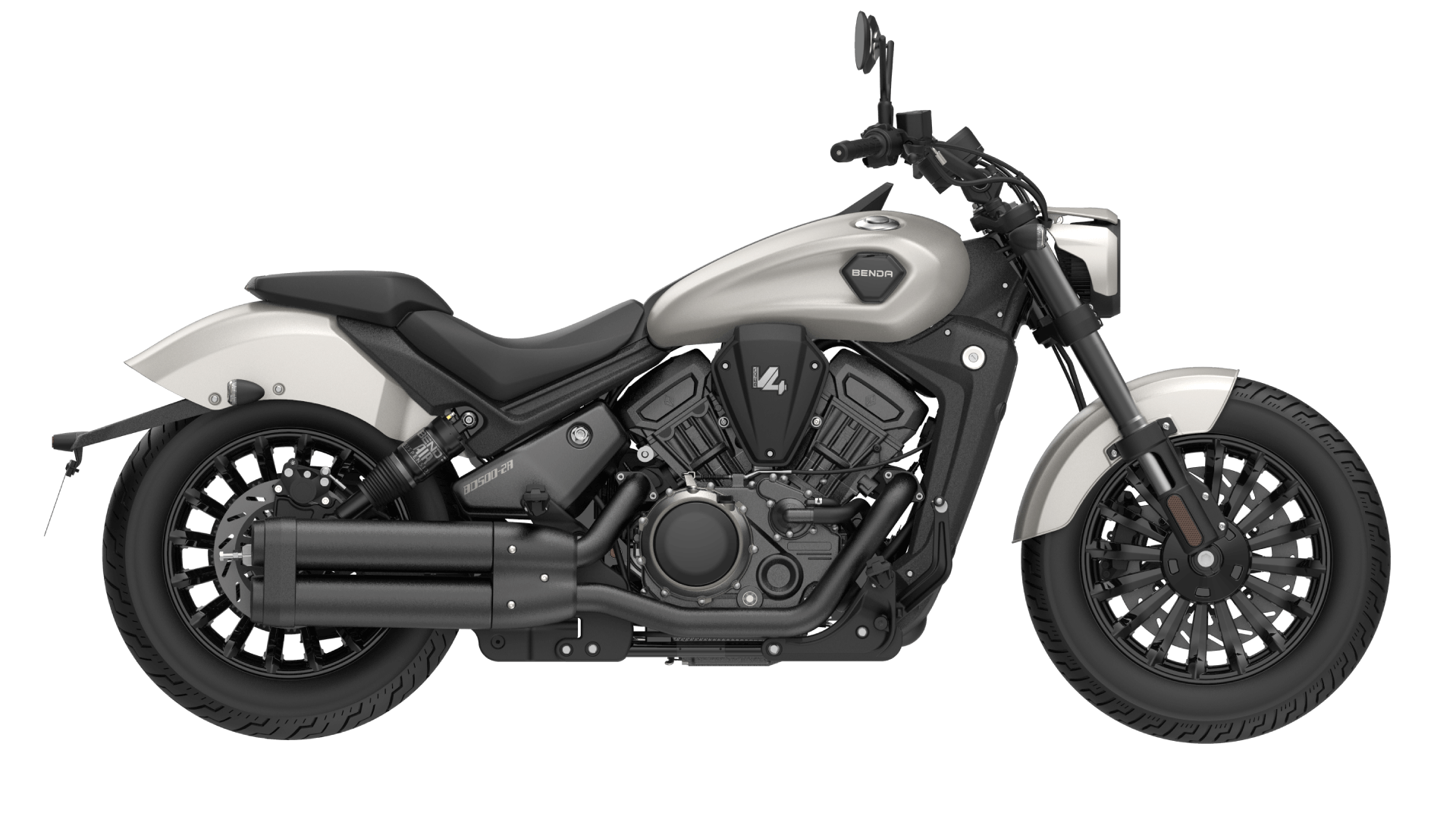
Real products already hint at this shift. Some good city motorcycles balance short wheelbases with stable chassis geometry, and map their ECUs for a clean first twist. Others push mild regen in crawl to cut brake wear. The lesson so far: when control is smooth, lane changes get precise, and risk drops. Summing up, we saw that small frictions stack up; targeted tech reduces them at source; and riders gain time and calm. If you are choosing a daily machine, consider three checks: 1) Low-speed response metrics (initial throttle gain, clutch effort, CVT take-up). 2) Thermal and electrical resilience (cooling path, fan duty, converter capacity). 3) Control intelligence (ABS tuning, stability aids, and any traffic-aware logic). Choose with these in mind and your commute feels shorter, even when the road does not. BENDA
