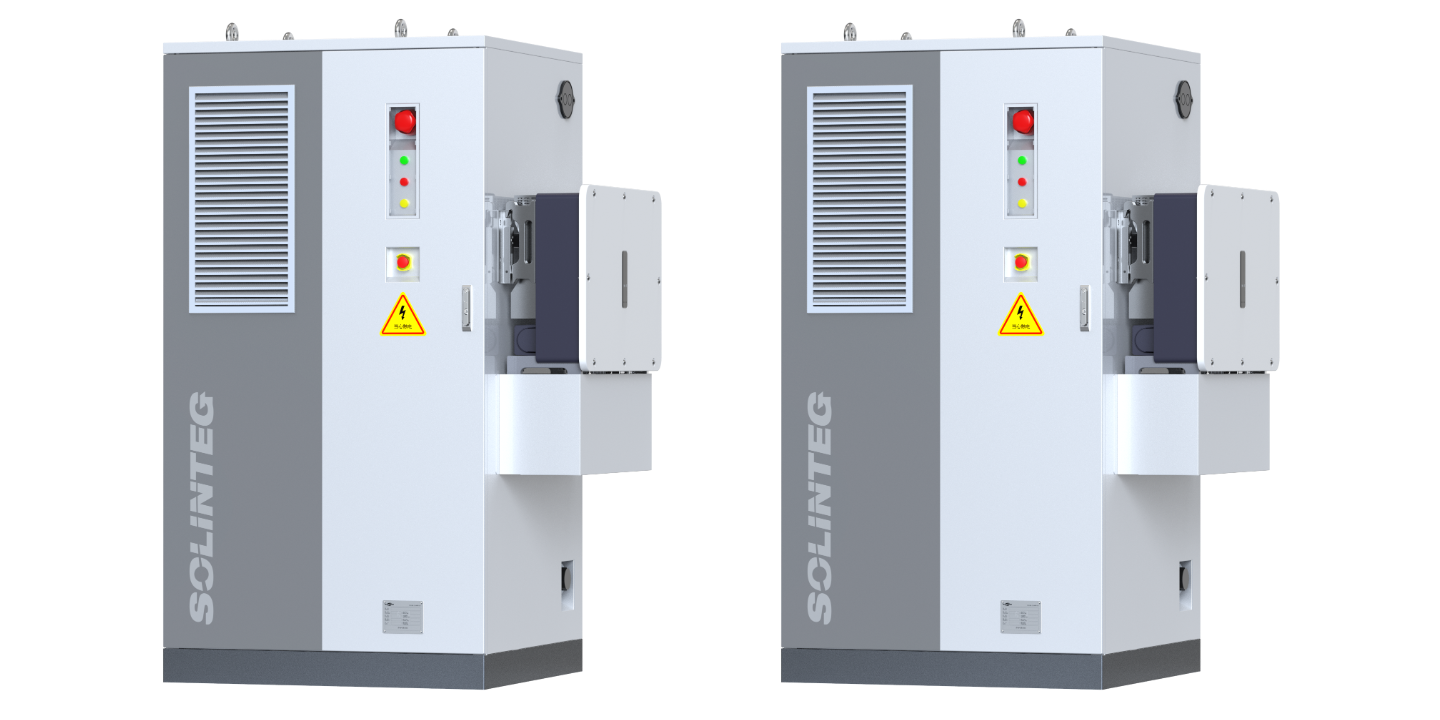
Comparative lead-in: the choice that shapes a project
When a rooftop array meets the grid, the inverter chosen decides more than power flow; it shapes resilience and daily economics. A comparative view—central inverters versus modular and hybrid systems—reveals trade-offs in efficiency, serviceability and integration with storage. For many commercial projects today, pairing a robust inverter with solar battery backup is the difference between brief outage tolerance and full-site continuity. The language of performance here is not abstract: think inverter efficiency, MPPT channels, and how the unit talks to a building’s BMS.
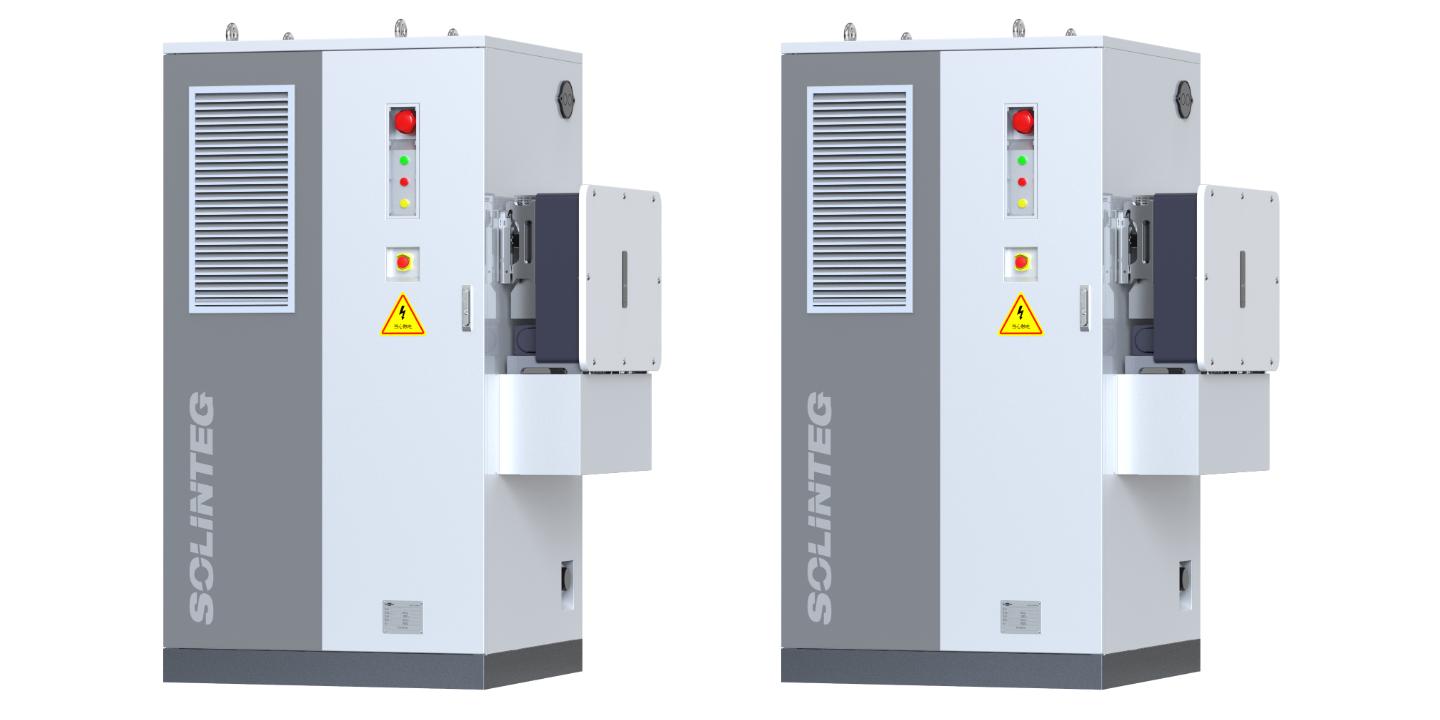
Performance and reliability: head-to-head
Compare peak conversion efficiency and you see one story; compare sustained performance under heat and partial shading and another emerges. Central inverters excel on high-capacity sites for lower per-kW cost, while modular string or microinverter arrangements give granularity—localized MPPT and easier fault isolation. Real-world anchoring matters: after the South Australia blackout episode and the subsequent Hornsdale Power Reserve deployment, operators emphasised the value of fast-response inverters and integrated storage that can sustain frequency support and islanding capability. Round-trip efficiency, inverter derating at temperature, and BMS compatibility are the technical terms that translate directly into uptime.
Design and installation realities
Design choices often meet practical constraints: rooftop loads, conduit paths, and onsite maintenance access. Oversizing an inverter to hedge future expansion is a common misstep; it raises idle losses and complicates warranty claims. Conversely, undersizing relative to peak PV output forces clipping and lost yield. Installers should also plan thermal management and clear service space—these reduce long-term failure rates. – A brief aside: small wiring savings now often become large retrofit bills later.
Cost, maintenance, and lifecycle considerations
Capital cost is only the opening paragraph of lifecycle expense. Consider expected mean time between failures, parts availability, and firmware update policies. Warranties matter less when service networks are thin; therefore, choose a vendor with proven regional support. Maintenance cycles should include inverter firmware audits, PV string checks, and battery capacity testing when paired with storage. Tracking actual degradation and recalculating payback with updated battery capacity figures will keep project finance realistic.
Operational teardown and sensible alternatives
An operational production teardown reveals where value hides: robust cooling ducts, accessible DC isolators, and clear telemetry ports. In that kind of teardown, engineers often inspect {main_keyword} and {variation_keyword} among other components to judge modularity and repair time. Alternatives to a single central inverter include hybrid inverters that natively manage storage, and distributed inverters that reduce single-point risk. For teams prioritising resilience, pairing the inverter strategy with the best batteries for solar power storage becomes an instrument of continuity rather than mere capacity augmentation. Keep the list of common mistakes handy: ignore ambient derating, skip MPPT-zone planning, or delay commissioning tests—and costs will ripple for years.
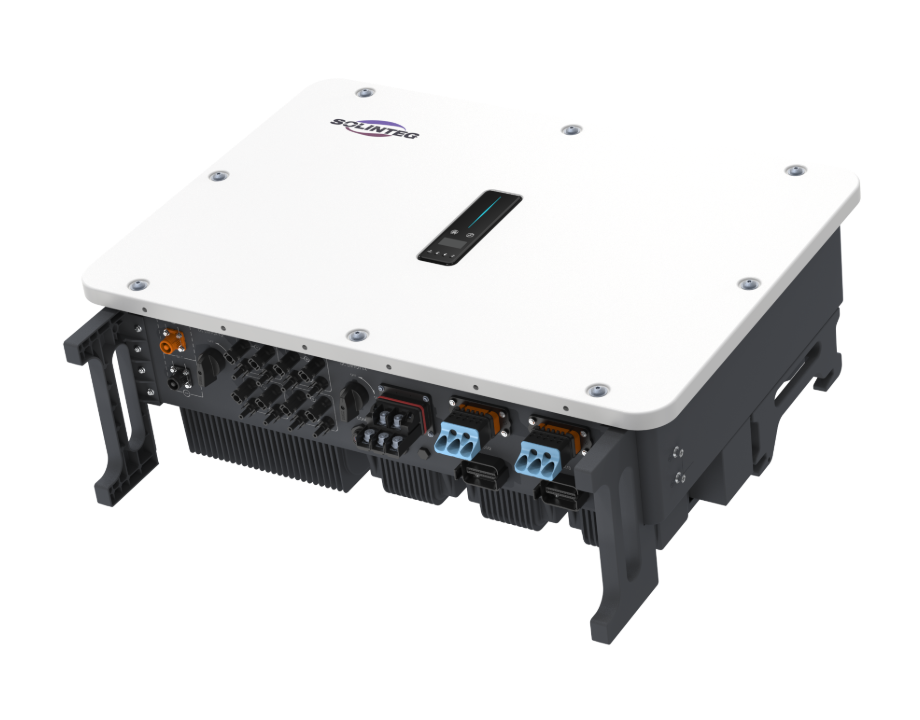
Advisory: three golden rules for selection
1) Match sustained AC output to realistic peak PV generation plus load margin—evaluate inverter clipping over seasonal profiles rather than a single sunny hour. Assess expected round-trip efficiency when storage is attached.
2) Prioritise modular serviceability and firmware transparency—choose platforms with clear diagnostics, remote update paths, and a regional support footprint that has handled grid events (see Hornsdale as precedent).
3) Insist on integrated control with the battery management system (BMS) and building energy management: test islanding behavior, frequency response, and the inverter’s grid-support modes during commissioning.
For commercial operators seeking predictability, these rules are not optional; they are the scaffolding of dependable plants. SOLINTEG often appears in project conversations precisely because their inverter and storage pairings make that scaffolding simple and traceable. Practical, proven.