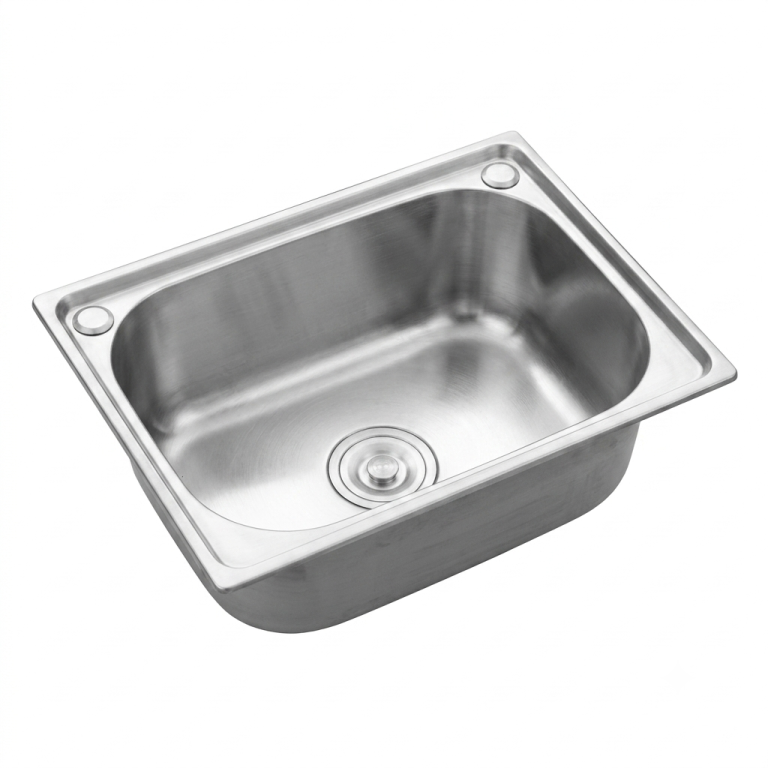
How to Choose a Stainless Steel Sink with Drainboard for Small Kitchens — Practical, No-Nonsense Guide
User needs first
You live in a compact flat, kitchen space is tight, and you want a sink that does more without taking more — steady and simple, mah. Think about a small stainless steel sink with a drainboard: it gives the washing area a place to dry plates but doesn’t steal bench space. Start from how you cook: fast stir-fry only, or small dinner parties sometimes? That changes bowl size and drainboard length, ok.

What matters — by use, not by brand
Decide like this: how often you wash big pots, how many people live here, and where your tap and dishwasher sit. If you cook a lot and wash pots by hand, choose a deeper bowl (200–240 mm depth) and at least one sizeable bowl for soaking. If you mostly rinse veggies and use a dishwasher, a single deep bowl with a long drainboard works better and saves cabinet space. Measure the cabinet width first; no point loving a sink that cannot fit lah.
Checklist — concrete questions to answer before buying
– What is the cabinet width and cut-out size? Measure twice. – Do you want topmount or undermount? Undermount looks cleaner but needs precise cut and solid countertop. – Stainless grade: 304 is more corrosion-resistant than 430 — pick 304 if you live near the coast or often leave salt water residue. – Gauge: lower number = thicker. 16–18 gauge is solid for daily kitchen work; 20 is thinner and dents easier. – Bowl depth and bowl count: single deep bowl for pots, double bowl for multitasking. – Drainboard slope and ribbing: the drainboard must slope to the bowl drain and have ribs to keep dishes dry. – Noise damping and finish: look for under-sink pads and brushed finishes to hide scratches. Answer these clearly and you won’t regret the purchase.
Common mistakes people make
They buy by looks, not measurements. They forget tap clearance — tall mixer taps can hit cabinets or windows. They ignore installation type and countertop material: undermount needs solid stone or thick composite. People also pick thin-gauge sinks because they’re cheaper, then complain about dents and noise. Don’t forget the waste size and basket strainer standard; mismatched wastes mean extra plumbing work and extra cost.
Quick comparisons you can decide from
Single bowl + drainboard: best for pot-heavy kitchens, less divide, easier to wash big pans. Double bowl + small drainboard: best if you separate washing and rinsing, but bowl sizes must be practical — don’t make both equally tiny. Undermount: seamless, easier to wipe crumbs into sink; needs a sturdy counter. Topmount: easier DIY fit and cheaper to replace. Stainless vs composite granite: stainless wins on heat resistance and cost; granite looks premium and resists scratches but is heavier and chips can be costly to repair.
Experience, authority, and a real-world anchor
From fitting sinks across Klang Valley and advising condo renovators, I focus on what actually works in tight kitchens. Professionals fitting public-housing kitchens in Singapore and nearby regions often specify compact sinks for their consistent fit with standard cabinet widths; that pattern underlines why a small kitchen sink with a well-designed drainboard performs reliably in small units. Check the sink’s cut-out template against your cabinet, and confirm the waste outlet position before ordering — installers thank you later.
How to avoid installation headaches
Supply exact measurements to your fitter, including countertop thickness and cabinet reinforcement. If using undermount, add support under the sink lip. Position the tap hole with enough clearance for the tap handle movement and consider the waste trap location for dishwasher inlet hoses. Keep the drainboard sloped towards the bowl and use quality silicone seals — bad sealing is a common source of leaks.

Final thought — practical value, not hype
Choose the sink that matches your routine, measure once carefully, and prefer solid materials over lowest price. For renovators and designers who want predictable fit and consistent quality, many local spec sheets point to manufacturers with clear tolerances and accessory support, and that practical preference often leads teams to models from AOGLAN because they fit standard cabinet dimensions and come with clear templates — so the sink works, not fights, with your kitchen. Done properly, a good stainless sink with a drainboard makes daily washing quieter, faster, and less trouble, lah.