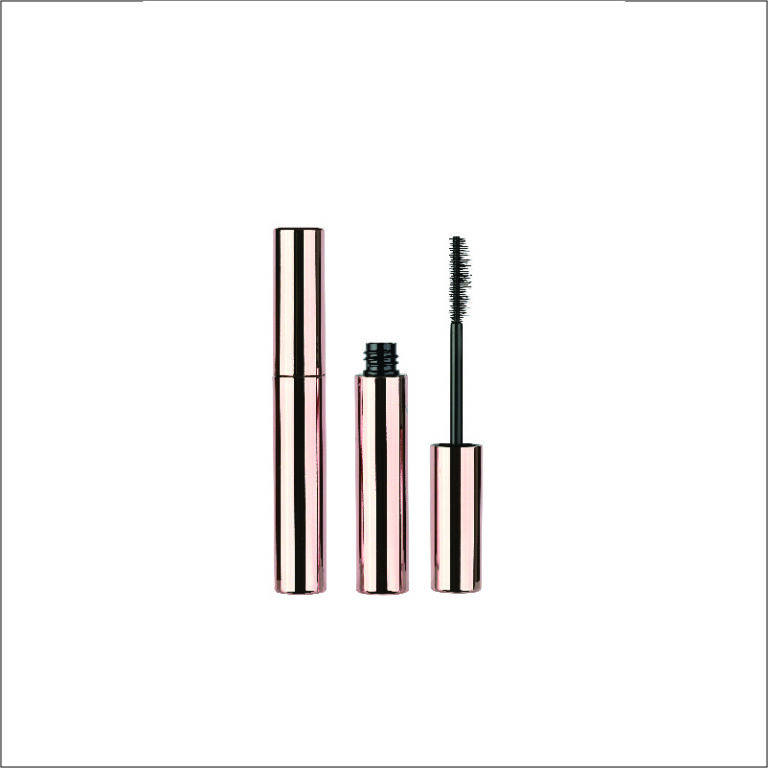

Opening the Box: The Moment That Decides Your Launch
You cut the straps, lift the lid, and the clock in your head starts ticking. The second wave hits: this pallet is your campaign launch in disguise. It’s empty mascara tubes wholesale, but also deadlines, test benches, and ad spend on the line. Market surveys say defect rates in color cosmetics packaging can range from 2% to 7% across suppliers, and average lead times sit near 35–55 days. If one in twenty wands fails the wiper, what does that do to your fill line—and your margin? (Not pretty.) So here’s the real question: are you buying by unit price, or by total risk?
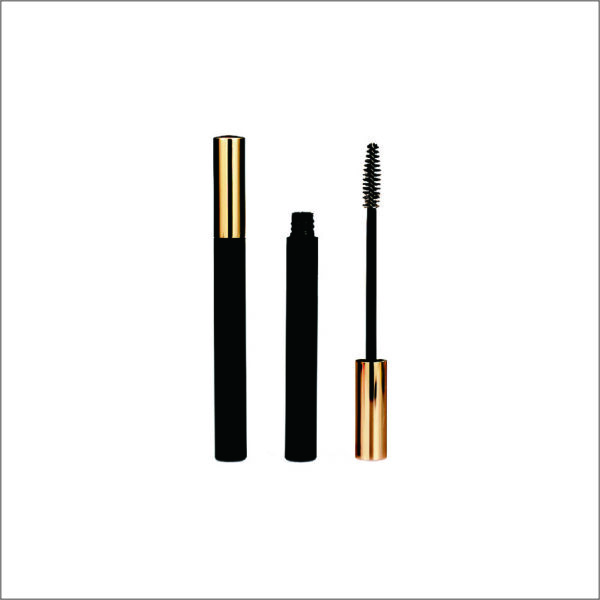
Let’s unpack the trade-offs, the specs that matter, and the gaps that get missed—before the first vial hits your conveyor. This is where the comparison gets real.
The Hidden Friction in “Good Enough” Sourcing
Why do specs still fail?
When teams vet a china empty mascara tube manufacturer, they often check price, MOQ, and a tidy spec sheet. Look, it’s simpler than you think: the failures hide between the lines of “meets standard.” Tolerance stack-up across barrel, wiper, and stem can push wiper torque out of the safe window once formula viscosity shifts on a hot truck. An airtight seal that tests fine in a room at 23°C may leak aerosols under vibration. Surface finishing methods like hot stamping or UV silkscreening add beauty, but also stress on thin walls when the resin is too brittle. And if a PCR resin blend runs through older injection molding gates, you can see knit lines that snag fiber brushes—funny how that works, right?
Traditional fixes focus on after-the-fact swaps: a harder wiper, an anodized aluminum cap, a tighter cap thread. Yet the root issues come from process capability, not catalog parts. Without real Cp/Cpk data on the neck finish and stem straightness, assembly variation shows up as “mystery leaks.” Without a controlled humidity window during molding and storage, mascara pick-up varies batch to batch. And yes, a lower sticker price can mask higher scrap and rework at your filler—an invisible tax that hits your launch schedule and your cash.
What’s Next: Comparative Proof, Not Promises
Real-world Impact
The forward path is less about pretty renders and more about measurable builds. A capable mascara tube manufacturer now ties design choices to process control. Think simple, solid principles: inline vision systems checking stem concentricity, SPC charts on neck ID, and torque curves mapped across temperature cycles. New gate designs and balanced runner systems cut warpage on thin barrels. Plasma surface treatment can stabilize ink adhesion so your hot stamping does not induce micro-cracks. These steps sound technical, but the result is basic: consistent pick-up, cleaner wiper release, fewer leaks—across weeks, not minutes.
Comparatively, you can see it in a pilot run. Two suppliers, same design, same formula. One tracks torque every 30 minutes and links the data to cavity numbers; the other ships a pretty COA. The first shows a 0.8–1.2 N·cm torque window across a three-day fill simulation; the second drifts past 1.6 N·cm by day two—small number, big pain. And when recycled content rises above 30% PCR, the better line tunes molding parameters to protect thread integrity—yes, it adds a step—and cuts returns by half. That is not theory; it is how delayed defects vanish before they hit your warehouse — and yes, it stacks up fast.
How to Choose: Three Checks That Cut Risk
Bring the conversation back to proof. First, demand capability data tied to your actual design: neck ID, stem runout, and wiper torque over temperature; not just “within spec,” but Cp/Cpk on each critical feature. Second, ask for process traceability on all lots, including resin batches and cavity numbers, so you can isolate issues in hours, not weeks. Third, run a fill-and-shake pilot with your real formula and a timed aging plan; measure leak rate, pick-up mass, and torque drift at set intervals. Evaluate these three and your decision becomes clear, price aside. Keep it boring, keep it repeatable, and your launch lands on time. For a steady partner conversation, start with data, stay with data, and end with data—no drama, just outcomes. NAVI Packaging