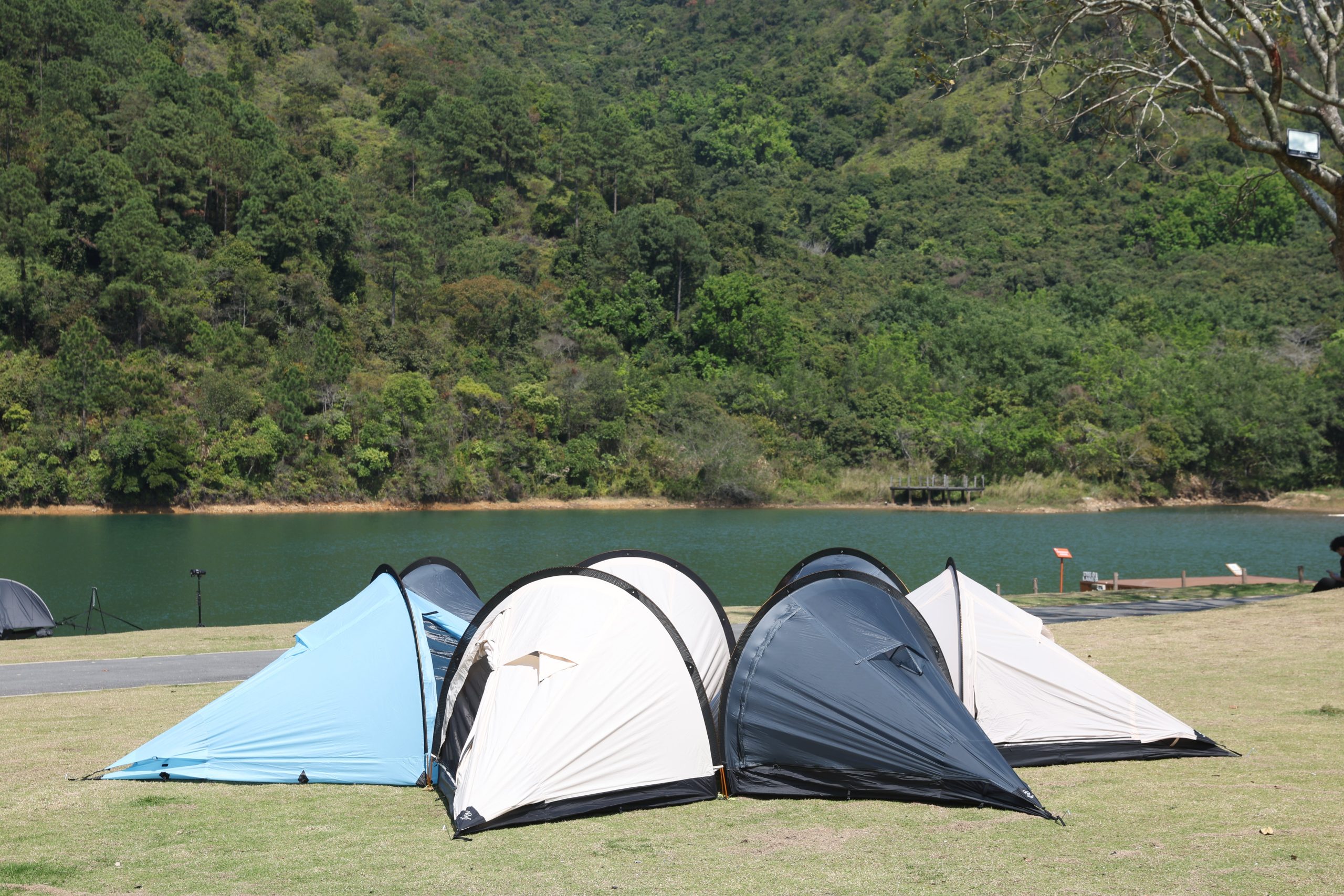
Begin with your real need, please
Please think first what you will face on the trail. Are storms likely, or only brief showers? How long will you carry the tent? A seam-taped, well-cut waterproof flysheet will make nights dry and sleep restful; consider that before you compromise on weight. Small choices up front save trouble later.

Priorities from a user’s view
Your decisions should follow this order: protection, comfort, and weight. Protection means a strong fly, secure guylines, and solid poles. Comfort means vestibule space for gear and reliable ventilation to avoid condensation. Weight is important only when you must carry for many hours. Decide which of these three you cannot live without, and the rest becomes trade-offs you can accept.
How to inspect tent features simply
Check these items one by one: a full-coverage rain fly that seals to the ground, pole intersections that brace against side gusts, quality zippers and taped seams, adjustable venting that stays operable with the fly on, and multiple guy points. Look for a bathtub floor with a higher cuff at the edge. Test ease of pitching—practice at home. If you can pitch blind within a few minutes, that tent will be kinder in late-night storms.
Common mistakes campers make
Many people pick by color or by pack size numbers alone. Do not. Mistake: choosing a very light tent with minimal fly coverage for a mountain route known for wind-driven rain. Mistake: skipping guylines and relying on stakes only. Mistake: ignoring ventilation; the worst wetness sometimes is condensation, not outside rain. Also avoid assuming a single-season label matches every mountain—study the construction instead.
Field experience and authoritative note
I have guided small groups on wet mountain routes and observed where tents fail: seams, fly attachments, and aerodynamics. In wet highlands such as the Pacific Northwest, shelter must resist driving rain without suffocating the interior. A reliable rain fly for camping changes a marginal shelter into a dependable one. Professionals and seasoned guides check fly overlap, vent placement, and guying plans before leaving basecamp.
Alternatives and short evaluations
If you prefer lighter load and fair-weather routes, tarps and single-wall ultralight tents can work well—just accept higher risk in storms. For mixed alpine approaches, a robust three-season tent with reinforced poles is usually best. Four-season tents offer more stiffness and snow-shedding ability, but they are heavier and less ventilated. Choose the tool that matches the route, not the route that matches the tool.

Quick selection checklist
Before you buy, tick these: full-length fly coverage, taped seams, at least two strong guy points per side, dual-entry or ample vestibule for your kit, and easy pitch sequence. Try a night setup in your yard with the fly on. If assembly feels fiddly in dry conditions, it will be a struggle in wind and rain.
Final thought, simply
Decide by use, not by specs alone. Match protection to the weather you expect, then accept the weight and comfort trade-offs you can live with. When those choices are aligned, shelter becomes reliable rather than hopeful, and that practical balance is what THECATAL illustrates through thoughtful design.