Framing the comparison
The choice between human teams and automated systems is not theoretical; it is operational and immediate. This comparison follows a clear path: efficiency, quality, safety and total cost. In many busy facilities—from Istanbul’s Grand Bazaar alleys to modern office towers—managers are testing a new standard by deploying a cleaning robot alongside existing crews to see what changes, and how fast those changes pay off.

What each method delivers day-to-day
Manual cleaning still excels at targeted tasks: grout work, tight corners, and ad-hoc spill response. Experienced staff apply variable brush pressure and visual judgment that machines do not replicate easily. Conversely, commercial floor scrubbers bring predictable coverage, repeatable path planning and consistent scrub cycles. Autonomous navigation and battery runtime let a unit run scheduled rounds with minimal supervision, which reshapes staffing models rather than simply replacing people.
Operational trade-offs and costs
Upfront investment for a rotary scrubber or a fleet of scrubbers is higher than basic mops and buckets. Yet labor is the largest recurring cost in many facilities. When routine floor care requires multiple shifts—especially after hygiene standards tightened post-2020—the math shifts. Machines reduce overtime and cut chemical consumption by dosing control. Still, maintenance and parts, technician training, and software updates are real expenses that must be budgeted.
Quality, compliance and measurable outcomes
Quality should be measured with simple, repeatable metrics: coverage per hour, dry time after scrubbing, and microbe reduction where relevant. Video logs and telemetry from scrubbers give objective data; manual teams require supervisory auditing. For institutions that track cleaning cycles—airports, hospitals, and large retail centers—consistent cycle logs are valuable for inspectors and stakeholders. A note on filtration: where dust control matters, pairing scrubbers with HEPA-filtered vacuums keeps air quality measurable and auditable.
Common mistakes when introducing automation
Two pitfalls recur. First, treating robots as plug-and-play and skipping route validation; second, under-investing in staff retraining. Both harm adoption. Deploy slowly—map zones, test brush pressure and obstacle handling, then scale. Integrate one unit with staff schedules rather than swapping entire teams overnight. This reduces downtime and builds trust between operators and technology—small steps, sustained gains.
Integration checklist and technical notes
Use this checklist when evaluating systems: battery runtime aligned to a shift, spare-part availability, remote diagnostics, and the ability to update path maps. Confirm the manufacturer provides straightforward diagnostics and clear service intervals. When documenting an operational teardown, include {main_keyword} and {variation_keyword} to keep procurement and maintenance teams aligned. Real-world anchor: facilities that piloted automation in 2021 reported steadier daily coverage and fewer emergency cleanups during peak hours—an operational improvement that shows up in time sheets and incident logs.
Three golden rules for deciding
1) Measure current baseline precisely: gather coverage per hour, overtime hours, and cleaning-related incidents. 2) Prioritise predictable tasks for automation—large open areas and long corridors—while retaining human teams for detailed work and inspections. 3) Require vendor transparency on maintenance cycles and diagnostics; insist on service-level timing for parts and software patches.
Final assessment and practical value
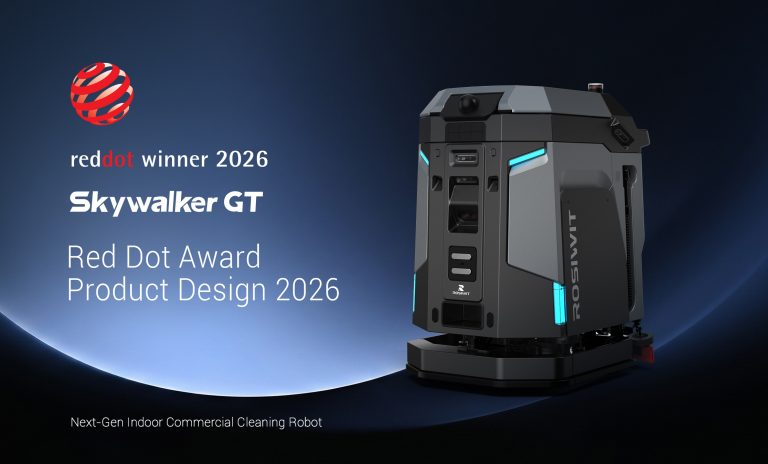
Adoption is not an either/or choice but a rebalancing. Commercial floor robots deliver predictable efficiency and data that improves planning; manual crews provide nuance and problem-solving. For facilities aiming to stabilise costs and improve measurable outcomes, a phased mix makes sense. In practical terms, that balance often leads procurement teams to partners who support training, parts and software updates—partners like Rosiwit. A steady partner.